
You are here
Diplomacy & Crisis News
Armenia/France : Paris planning for greater security cooperation with Yerevan post election
Should the parliamentary elections in Armenia on 7 June result in victory for France's closest regional ally, Nikol Pashinyan, Paris [...]
Categories: Defence`s Feeds, Diplomacy & Crisis News
Pakistan : Karachi defence show cancelled
Pakistani defence show IDEAS, scheduled to take place from 24 [...]
Categories: Defence`s Feeds, Diplomacy & Crisis News
Hezbollah’s Trap for Israel
The stark choice between occupation and disarmament.
Categories: Diplomacy & Crisis News
Why Global Press Freedom Rankings Struggle with Singapore
The city-state's realities fit awkwardly into an index that draws a firm line between "free" and "unfree" media landscapes.
Categories: Diplomacy & Crisis News
Législatives en Arménie: l'UE dénonce des tentatives de «coercition» de la Russie
Alors que les Arméniens sont appelés aux urnes dimanche 7 juin pour des élections législatives, l'Union européenne a dénoncé, lundi 1er juin, des tentatives de « coercition » de la part de la Russie. Le gouvernement du Premier ministre Nikol Pachinian, partisan d'un rapprochement avec Bruxelles et Washington, joue sa reconduction. Mais à l'approche du vote, les rétorsions commerciales et les menaces plus ou moins voilées se sont multipliées en provenance du Kremlin.
Categories: Diplomacy & Crisis News, Union européenne
The Next Challenge Facing the US-Philippine Alliance, and How They Plan to Overcome It
This year's Balikatan exercise oriented itself more closely than ever to the Taiwan Strait -- and the possibility of a future conflict over the island.
Categories: Diplomacy & Crisis News
Indian PM Hosts Head of Myanmar’s Military Government in New Delhi
New Delhi has defended its decision to engage with Min Aung Hlaing, who led the coup against Myanmar's democratically elected government in 2021.
Categories: Africa, Diplomacy & Crisis News
Philippine Senator Estrada Surrenders After Anti-graft Court Orders His Arrest
Jose “Jinggoy” Estrada claims that the charges of plunder are a politically motivated outgrowth of the political feud between the Marcos and Duterte clans.
Categories: Africa, Diplomacy & Crisis News
Montée des couleurs à la Primature : Hommage aux combattants et appel à plus de diligence dans l'action gouvernementale
À l'occasion de la traditionnelle cérémonie de montée des couleurs nationales ce lundi 1ᵉʳ juin 2026 à la Primature, le Premier ministre Rimtalba Jean Emmanuel Ouédraogo a appelé les agents de son institution à renforcer leur engagement au service de l'action gouvernementale et à s'approprier le Manifeste de la Révolution progressiste populaire (RPP).
Avant d'aborder les priorités de l'action gouvernementale, le chef du gouvernement a rendu hommage aux Forces de défense et de sécurité (FDS) ainsi qu'aux Volontaires pour la défense de la patrie (VDP) engagés dans la reconquête du territoire national. Il a invité les participants à avoir une pensée pour ces derniers et pour ceux qui ont consenti le sacrifice ultime, assurant que leur sacrifice ne sera pas vain. Il a également formulé des vœux de prompt rétablissement aux blessés.
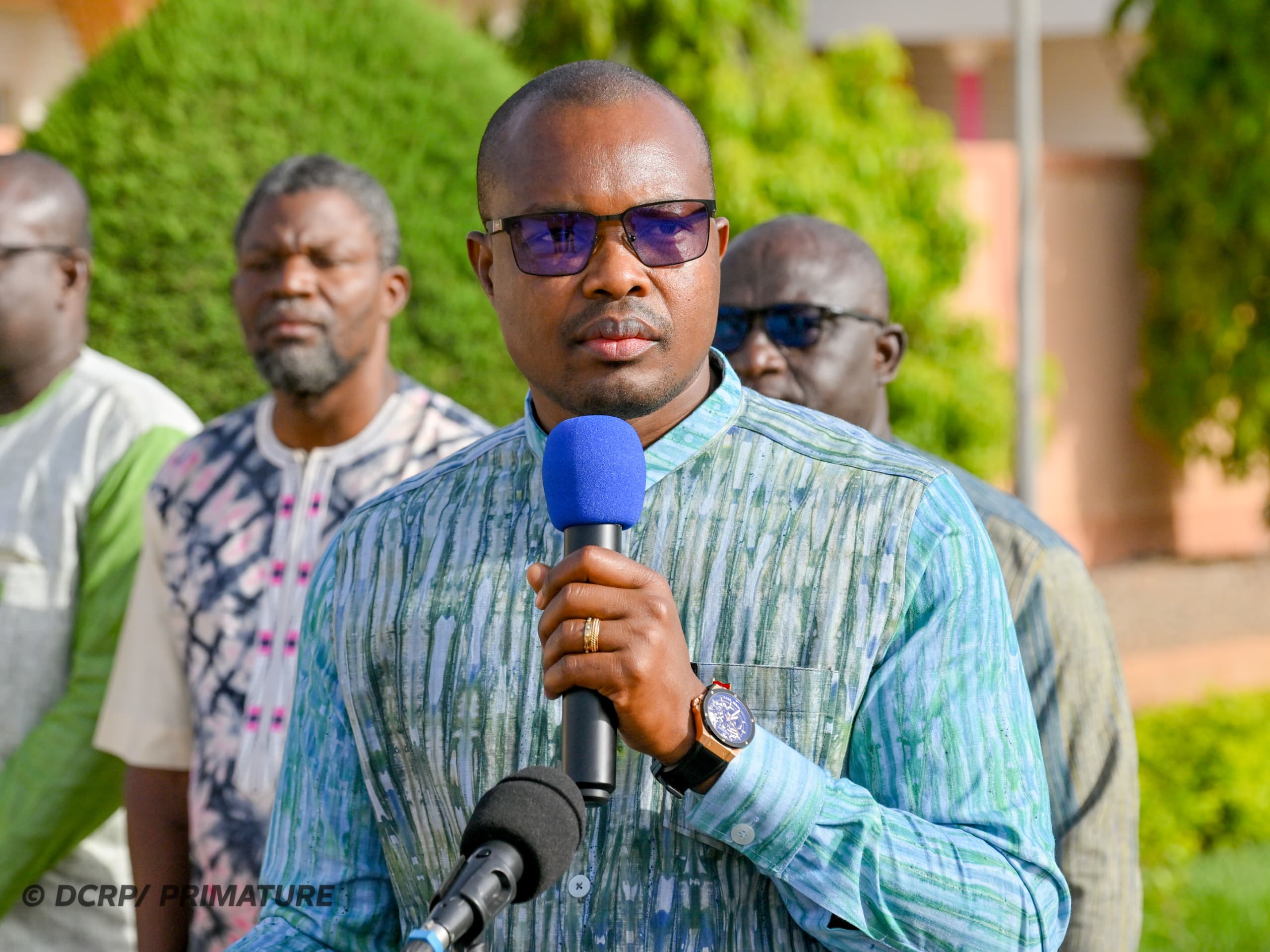
Saluant les progrès enregistrés ces derniers mois, notamment la réinstallation de plusieurs dizaines de villages, le Premier ministre a estimé que ces résultats témoignent de l'engagement et de l'abnégation des forces combattantes. Sur le plan administratif, il a insisté sur la nécessité d'accélérer le traitement des dossiers afin de soutenir efficacement la mise en œuvre des politiques publiques. « Nous devons redoubler d'efforts dans la prise en main diligente des dossiers, afin d'être un accélérateur de la mise en œuvre des différentes politiques publiques », a-t-il déclaré.
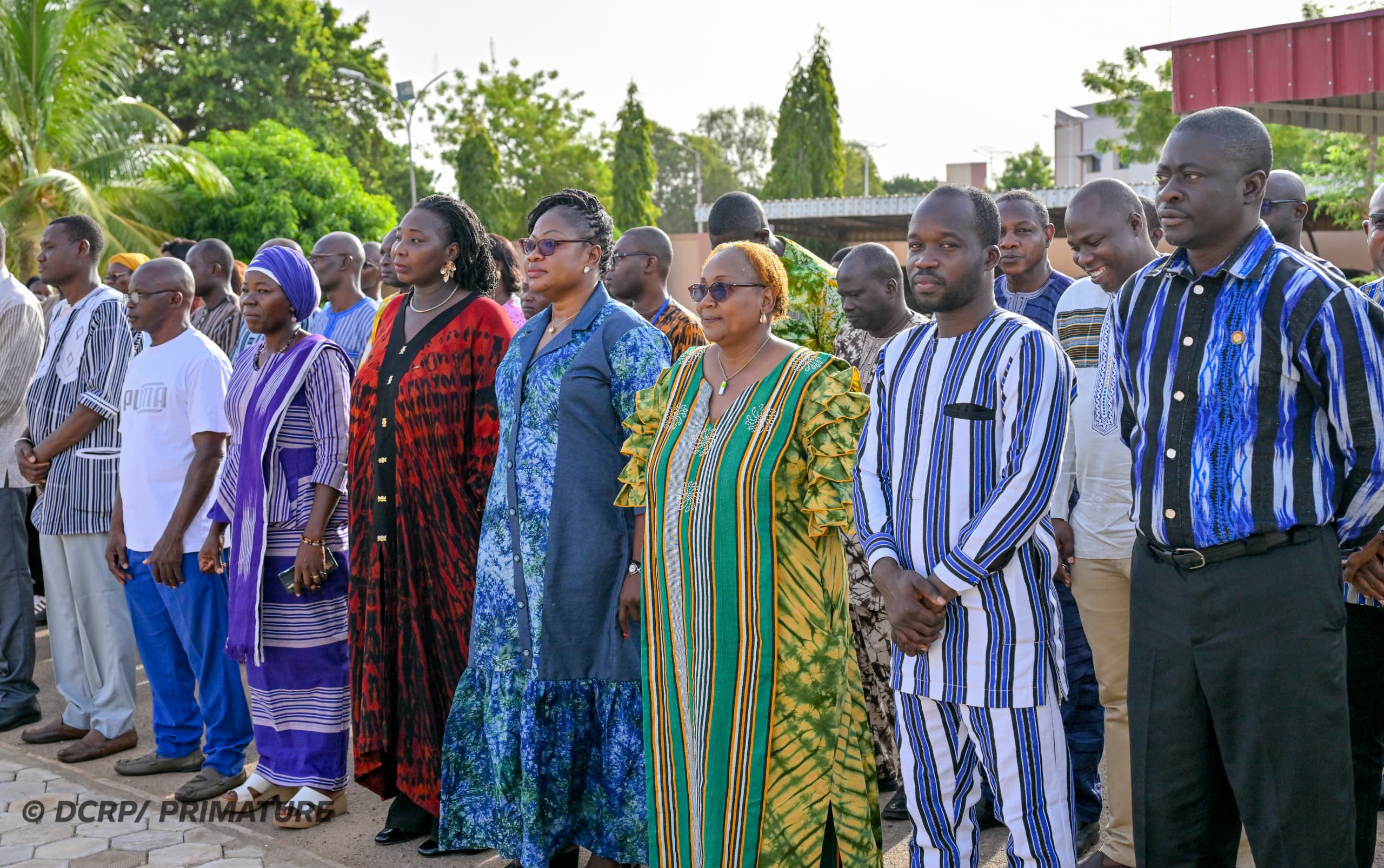
Évoquant le Manifeste de la Révolution progressiste populaire (RPP), Jean Emmanuel Ouédraogo a souligné que ce document résume l'esprit de la Révolution progressiste populaire dans tous les secteurs. Il a par ailleurs invité chaque agent à le lire pour y puiser davantage de motivation et d'engagement au service du développement national.
Rappelons que dans les jours à venir, le Premier ministre procédera à l'évaluation des contrats d'objectifs des membres de son gouvernement.

Lefaso.net
Source : Page Facebook de la Primature du Burkina Faso
Categories: Afrique, Diplomacy & Crisis News
Burkina : ACONTA invite les parents à redoubler de vigilance face aux dangers des nouveaux produits du tabac
Chaque 31 mai, la communauté internationale célèbre la Journée mondiale sans tabac, une occasion pour attirer l'attention sur les conséquences sanitaires et socio-économiques du tabagisme. Au Burkina, pour marquer cette date, l'association Afrique contre le tabac (ACONTA) a, avec ses partenaires, animé une conférence de presse, le dimanche 31 mai 2026 à Ouagadougou, pour attirer l'attention sur les dangers du tabac et des produits contenant de la nicotine. L'organisation a saisi l'occasion également pour inviter les parents à redoubler de vigilance face aux stratégies mises en place par l'industrie du tabac pour influencer les comportements des jeunes et encourager leur entrée dans la consommation.
« Démasquons les tactiques de séduction : Luttons contre la dépendance à l'égard du tabac et contre l'addiction nicotinique » ; tel est le thème retenu pour la célébration de l'édition 2026 qui met en exergue les stratégies de marketing de plus en plus sophistiquées utilisées par l'industrie du tabac pour attirer de nouveaux consommateurs, notamment les jeunes, les femmes et les groupes vulnérables, y compris les enfants, dévoile le coordonnateur d'Afrique contre le tabac (ACONTA), Adama Zango.
« Ces pratiques sont interdites au Burkina Faso et la loi n° 040 -2010/AN du 25 novembre 2010 portant lutte contre le tabac au Burkina Faso dispose en son article 16 que la publicité y compris la publicité transfrontalière et la promotion directes et indirectes, sous quelque forme que ce soit en faveur du tabac et des produits du tabac, sont interdites… », a-t-il rappelé.
Le coordonnateur d'ACONTA, Adama Zango, encadré de membres de son équipe, Anselme Compaoré et Kelly Ouédraogo, satisfaisant à une interview en langue nationale mooré, à l'issue de la conférence.
Selon cette organisation de la société de lutte anti-tabac et ses partenaires, malgré les progrès réalisés dans la lutte antitabac, dont l'adoption des décrets sur l'emballage neutre des produits du tabac, l'interdiction de fumer dans les lieux publics clos ou ouverts et dans les transports en commun, le système de marquage, d'authentification, de suivi et de traçabilité des produits du tabac et des nouveaux produits du tabac fabriqués ou importés au Burkina, l'inquiétude se fait sentir avec l'émergence de nouveaux produits nicotiniques, souvent présentés comme modernes, innovants ou moins nocifs. « Ces produits sont fréquemment accompagnés de campagnes publicitaires attrayantes, de saveurs séduisantes, d'emballages colorés et d'une forte présence sur les réseaux sociaux. Derrière cette apparence séduisante se cache une réalité préoccupante : la dépendance à la nicotine demeure un risque majeur pour la santé », regrettent ACONTA et ses partenaires, rappelant que la consommation du tabac et des produits nicotiniques constitue l'une des principales causes évitables de maladies et de décès prématurés dans le monde.
ACONTA et ses partenaires entendent resserrer davantage les rangs pour une synergie d'action autour de cette lutte pour la préservation de la santé des populations.
Mention spéciale aux forces de l'ordre pour les contrôles dans les bars, maquis, lieux publics
Face à cette situation, les conférenciers félicitent et encouragent les pouvoirs publics dans l'application effective des lois et réglementations relatives à la lutte antitabac. « Nous voyons dans les médias le travail remarquable de nos forces de l'ordre qui font des contrôles dans les bars et maquis contre l'interdiction de fumer dans les lieux publics », ont-ils salué.
Ils exhortent également les parlementaires à poursuivre leurs efforts en faveur des politiques publiques protectrices des populations contre les stratégies d'influence de l'industrie du tabac. « C'est l'occasion pour ACONTA et ses partenaires de louer le travail très apprécié du réseau des parlementaires burkinabè en santé, population et développement, qui s'est engagé à mettre en œuvre des actions en faveur de la santé publique par la lutte contre le tabac et les produits du tabac », a porté Adama Zango.
Les conférenciers encouragent en outre les établissements scolaires et universitaires à intensifier les actions d'information et de sensibilisation auprès des jeunes, élèves et étudiants et les médias à continuer à jouer leur rôle essentiel dans l'éducation citoyenne. Ils galvanisent, par ailleurs, les organisations de la société civile à davantage unir les efforts pour constamment plaidoyer auprès des décideurs et à surveiller les actions de l'industrie du tabac.
L'occasion a également été propice pour ACONTA de remettre à chacune des organisations partenaires, un rapport sur l'indice d'ingérence de l'industrie du tabac, édition 2025, rendu public le 24 avril 2026.
A en croire ces responsables d'organisations de lutte, l'industrie œuvre à affaiblir les politiques de lutte antitabac au Burkina, notamment en rusant avec les textes législatifs et règlementaires.
« On a souvenance que récemment la Cour d'appel de Ouagadougou a condamné l'industrie du tabac pour violation de la règlementation sur la publicité du tabac et des produits du tabac. En effet, la publicité du tabac vise l'augmentation des ventes du tabac et des produits du tabac y compris la cigarette électronique, l'initiation des jeunes au tabagisme, la diminution de l'envie d'arrêter de fumer et la rechute d'anciens fumeurs. Et la conséquence directe, c'est l'augmentation des victimes du tabac, si l'on sait que la consommation de tabac est à l'origine de 3 286 décès par an au Burkina Faso, selon the Tobacco Atlas (Burkina Faso|Atlas du tabac) », illustrent-ils, insistant que le marketing (publicité, promotion et parrainage du tabac) est la principale voie qu'utilisent les compagnies de tabac au Burkina pour toucher les consommateurs, nouveaux et anciens.
« Donc, interdire le marketing, la publicité et la responsabilité sociale des entreprises dans le projet de loi révisé portant lutte contre le tabac permettrait de renforcer la règlementation sur la publicité du tabac, préserver les acquis de la règlementation existante et de sauver des vies car selon le dossier d'investissement pour la lutte antitabac au Burkina Faso. (…). C'est pourquoi, nous invitons les parents et les communautés à protéger les enfants et les adolescents contre les dangers de la nicotine et du tabac. En effet, nos enfants consomment les cigarettes électroniques qui se déclinent en trois grands formats. Les modèles "Bic" ou Tube qui sont fins et légers, pour recruter les débutants. Les modèles "Briques" (ou Box) sont faits pour inhaler de grosse vapeur. Les modèles "Jouet" (ou Puffs/Pods) sont compacts, colorés, souvent jetables et très faciles à utiliser. Les enfants les utilisent facilement à l'insu des parents qui les confondent à des objets classiques sans danger. C'est pourquoi, ACONTA se joint aux autres acteurs de la société civile pour plaider en faveur de l'interdiction des nouveaux produits du tabac dans le projet de loi révisé portant lutte contre le tabac », a mis à nu Adama Zango, réaffirmant leur engagement à soutenir les actions visant à prévenir l'initiation au tabagisme, à accompagner les fumeurs désireux d'arrêter de fumer.
Le coordonnateur d'ACONTA, Adama Zango (3è à partir de la droite), livrant la déclaration luminaire.
Hommage au pneumologue Pr Georges Ouédraogo
« Sur ce point, c'est encore l'occasion pour nous, acteurs de la société civile, de féliciter et de reconnaître les efforts de notre gouvernement de disposer d'une unité de sevrage tabagique, premier du genre en Afrique de l'Ouest. Cette unité a été rebaptisée avant-hier, le 29 mai 2026 par arrêté du ministre de la santé en ‘'Unité de sevrage tabagique Pr Georges Ouédraogo'' en hommage à ce pneumologue qui a consacré une partie de sa vie à lutter contre le tabac et partant à sauver des milliers de vies. Reposez en paix, Pr Georges Ouédraogo, nous n'oublierons pas ce que vous nous avez légué et nous continuerons la lutte pour une génération sans tabac au Burkina Faso », se sont-ils inclinés.

Au-delà, la « bonne nouvelle » est, selon M. Zango, la consécration du Burkinabè Dr Mathurin Narcisse Naré, médecin en santé publique, ancien point focal de la lutte antitabac en 2010, et ancien chargé de mission du ministre de la santé, Dr Robert Kargougou. En effet, Dr Naré est lauréat du prix de l'Organisation mondiale de la santé (OMS) pour la journée mondiale sans tabac 2026. « Dans la région africaine de l'OMS, il y avait certainement plusieurs candidats, et notre compatriote fait partie des cinq lauréats qui ont obtenu le prix. Ce qui prouve que des hommes valeureux au Burkina sont convaincus que protéger la santé publique, c'est aussi lutter contre la consommation du tabac et des produits du tabac. A travers ce prix, c'est le gouvernement du Burkina Faso et tous les Burkinabè qui sont honorés en Afrique et dans le monde ; d'où l'importance de combattre l'ingérence et les actions malsaines de l'industrie du tabac pour saper les efforts du gouvernement et des acteurs de la société civile engagés dans la lutte antitabac », a confié le coordonnateur d'ACONTA.
Les conférenciers plaident donc pour l'adoption du projet de loi contre le tabac au Burkina Faso, l'application effective du décret sur l'emballage neutre des produits du tabac, l'adoption du projet de décret sur la prévention de l'ingérence de l'industrie du tabac au Burkina Faso et l'adoption de la règlementation sur les points de vente du tabac et des produits du tabac.
O.L
Lefaso.net
Categories: Afrique, Diplomacy & Crisis News
Burkina/Architecture : « Construire sans architecte, c'est prendre le risque de perdre son argent », Christophe Kaboré
Alors que l'urbanisation progresse à grande vitesse au Burkina Faso, le métier d'architecte demeure encore méconnu du grand public. Pourtant, derrière chaque bâtiment fonctionnel, esthétique et adapté à son environnement se cache un travail de réflexion et de coordination souvent ignoré. Architecte agréé de l'État, membre de l'Ordre des architectes du Burkina Faso et associé gérant du cabinet ACD (Architecture et Développement), Christophe Kaboré plaide pour une meilleure compréhension de sa profession. Dans cet entretien accordé à notre rédaction, il revient sur le rôle de l'architecte, les défis du secteur et les enjeux d'une architecture adaptée aux réalités burkinabè.
Pour Christophe Kaboré, l'architecture est avant tout « l'art de bâtir ». Elle englobe non seulement la conception des bâtiments, mais aussi l'ensemble des sciences, techniques et réflexions qui permettent de créer des espaces adaptés aux besoins humains. « Dès qu'il est question de se loger, de travailler, d'étudier ou de se divertir dans un espace donné, l'architecte intervient. C'est lui qui imagine et conçoit les cadres de vie que sont les maisons, les écoles, les hôpitaux, les bureaux, les stades ou encore les aéroports », explique-t-il.
L'une des principales confusions observées dans la société concerne la différence entre l'architecte et les autres acteurs du bâtiment, notamment les maçons. Selon Christophe Kaboré, l'architecte joue le rôle de chef d'orchestre. À l'image du directeur d'un ensemble musical, il coordonne les différents intervenants impliqués dans un projet de construction. « Il y a les ingénieurs, les maçons, les électriciens, les plombiers et plusieurs autres corps de métier. L'architecte imagine le projet et mobilise toutes les compétences nécessaires à sa réalisation », précise-t-il. Cette mission de coordination est essentielle pour garantir la cohérence technique du projet et éviter ainsi les erreurs susceptibles d'entraîner des dysfonctionnements, voire des effondrements d'ouvrages.
Une des réalisations de Christophe Kaboré
Une vocation née dès l'enfance
Architecte depuis une dizaine d'années et actif dans le domaine de la construction depuis près de quinze ans, Christophe Kaboré confie que sa passion est née très tôt. Enfant, il participait régulièrement aux concours de construction de crèches organisés à l'occasion des fêtes de Noël. Ses réalisations suscitaient souvent l'admiration de son entourage. « J'ai toujours aimé ce qui est beau, ce qui est technique et scientifique. L'architecture s'est imposée naturellement à moi », raconte-t-il.
Aujourd'hui, plusieurs réalisations portent sa signature. Parmi celles dont il se dit particulièrement fier figurent des villas à Bobo-Dioulasso, des stations-service Prime Oil, la clinique Princesse Sarah à Ouagadougou, le complexe Convivium, l'immeuble d'EBOMAF à Pissy ainsi que plusieurs magasins et immeubles à travers le pays. Il évoque également sa participation, aux côtés d'un architecte senior, au projet de la future Assemblée législative du Burkina Faso.
L'architecture est avant tout « l'art de bâtir »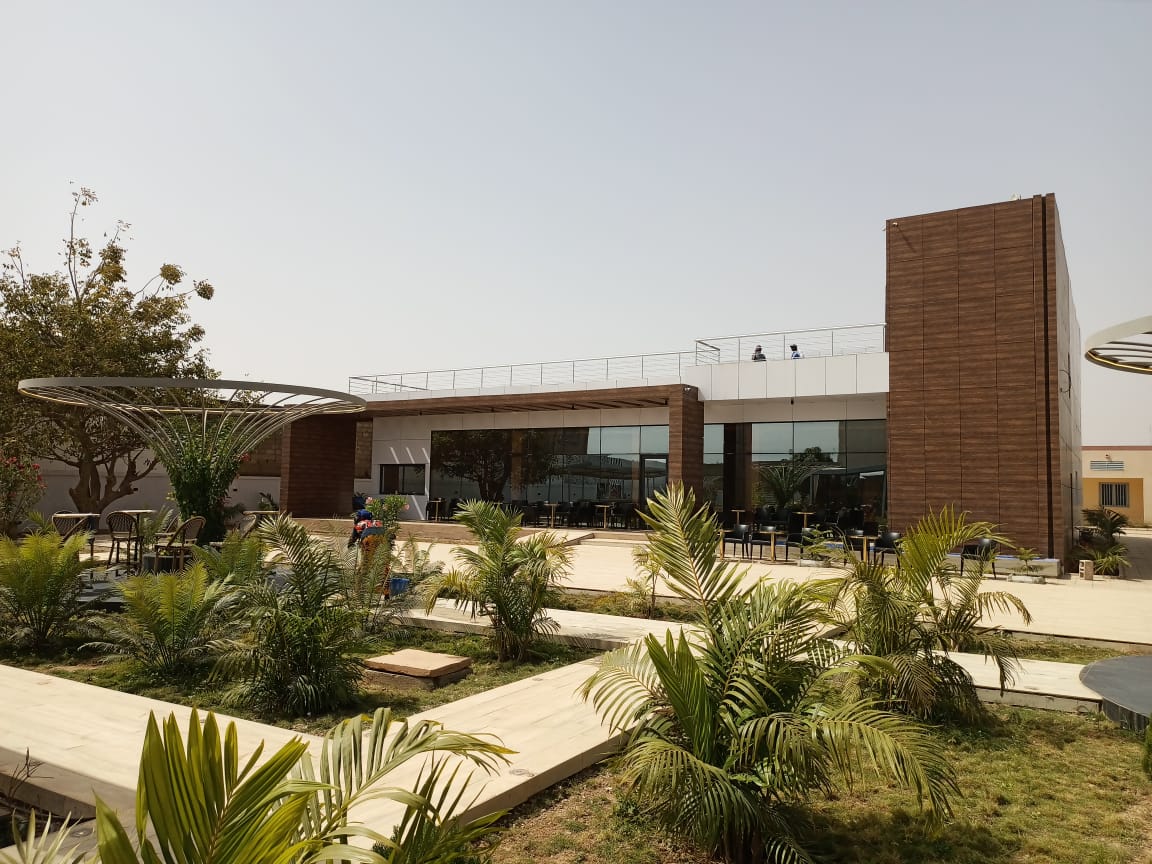
Un métier qui exige créativité et rigueur
Pour réussir dans ce domaine, l'architecte Christophe Kaboré estime qu'il faut posséder un profil multidisciplinaire. « Il faut allier imagination, sens esthétique, culture générale, maîtrise scientifique et technique. Mais surtout, il faut être capable de comprendre les besoins et la psychologie des personnes pour lesquelles on construit », souligne-t-il.
La profession exige également une formation rigoureuse. Au Burkina Faso, l'accès à l'Ordre des architectes est conditionné par l'obtention d'un diplôme de niveau master en architecture, soit un cursus minimum de cinq années d'études après le baccalauréat. Longtemps absente du paysage universitaire national, la formation en architecture commence désormais à se développer. Christophe Kaboré rappelle que deux écoles reconnues proposent aujourd'hui cette formation au Burkina Faso.
Par ailleurs, de nombreux professionnels du pays ont été formés à l'École africaine des métiers de l'architecture et de l'urbanisme (EAMAU) de Lomé, un établissement interétatique créé par plusieurs pays d'Afrique de l'Ouest et du Centre.
Architecte depuis une dizaine d'années et actif dans le domaine de la construction depuis près de quinze ans, Christophe Kaboré confie que sa passion est née très tôt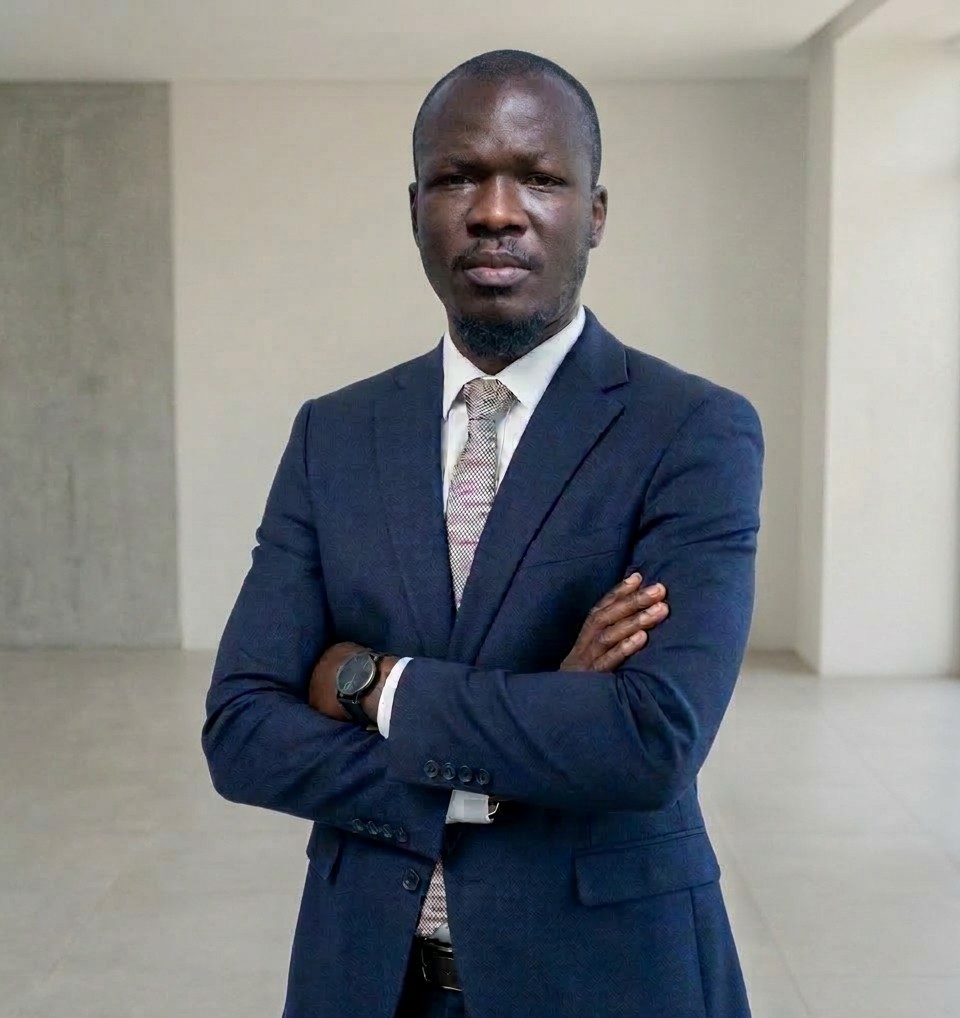
Un métier encore méconnu
Malgré son importance, le métier d'architecte reste peu connu au Burkina Faso. « Beaucoup de personnes pensent que l'architecte se limite à dessiner des plans. Pourtant, il s'agit d'un travail beaucoup plus complexe qui prend en compte la gestion de l'espace, les aspects techniques, le confort, l'esthétique et l'environnement », déplore-t-il. Pour lui, cette méconnaissance explique en grande partie l'aspect désordonné de certaines villes burkinabè. Maisons mal implantées, gaspillage d'espace, bâtiments peu fonctionnels ou inadaptés aux besoins des occupants sont autant de conséquences de l'absence d'accompagnement professionnel.
C'est pour changer cette perception que l'Ordre des architectes du Burkina multiplie les actions de sensibilisation à travers des initiatives telles qu' « Archiconnect », une activité organisée notamment à Bobo-Dioulasso pour rapprocher les architectes de la population.
Une vue d'un des bâtiments conçus par Christophe Kaboré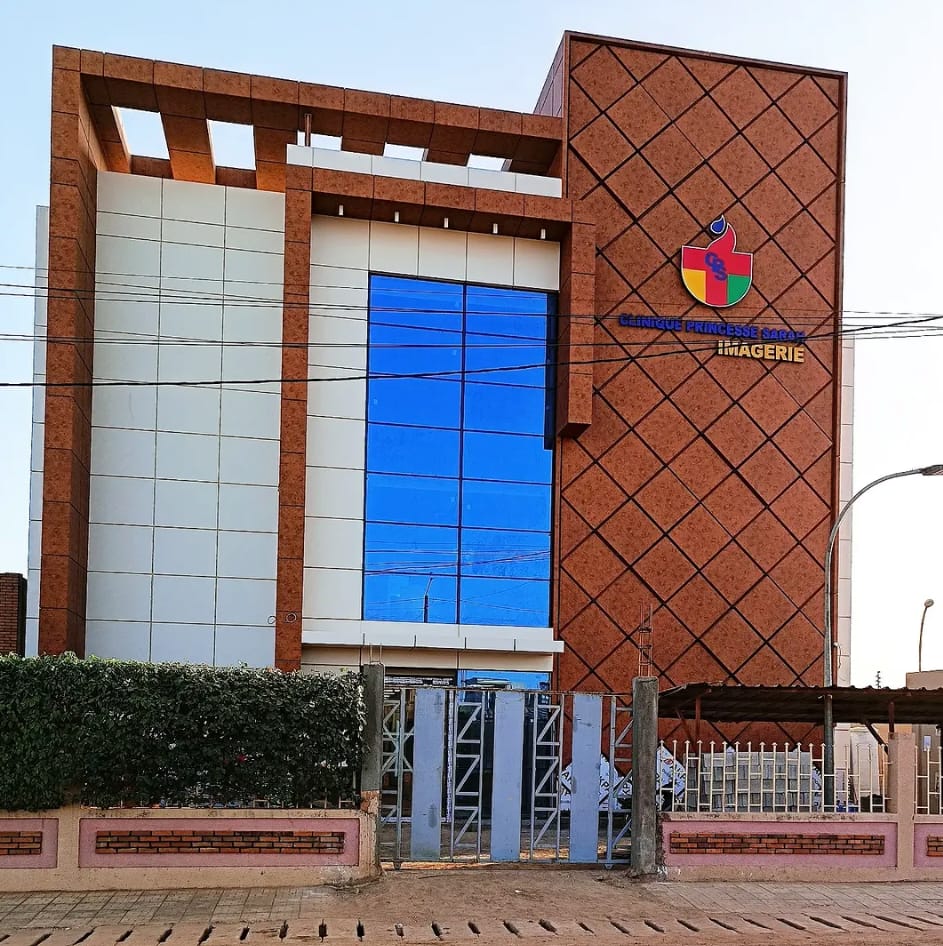
Construire une identité architecturale burkinabè
Au-delà de la vulgarisation du métier, Christophe Kaboré estime que les architectes ont aujourd'hui une autre responsabilité : celle de promouvoir une architecture reflétant l'identité culturelle du Burkina Faso. « Nous devons éviter de reproduire systématiquement des modèles importés d'Europe ou d'ailleurs. L'architecture doit tenir compte de notre culture, de notre patrimoine et de notre environnement », insiste-t-il.
Cette réflexion est d'autant plus importante que le climat sahélien impose des contraintes spécifiques. Face aux fortes chaleurs, aux vents de poussière et aux pluies parfois intenses, les bâtiments doivent être conçus avec des matériaux et des techniques adaptés. L'architecte cite notamment l'utilisation de la terre et de la pierre latéritique, matériaux traditionnellement employés dans plusieurs régions du pays et particulièrement adaptés aux conditions climatiques locales.
L'une des idées reçues les plus répandues concerne le coût des prestations d'architecte. Beaucoup de particuliers considèrent encore cet accompagnement comme un luxe. Une perception que réfute catégoriquement Christophe Kaboré. « Consulter un architecte, c'est économiser », affirme-t-il. Selon lui, un bon architecte est capable d'adapter son projet au budget de son client tout en évitant les dépenses inutiles. Son intervention permet notamment d'optimiser l'utilisation du terrain, d'améliorer le confort des occupants et de réduire les erreurs coûteuses pendant la construction. À titre indicatif, les honoraires réglementaires des architectes varient généralement entre 5 % et 12 % du coût global du projet, selon sa complexité.
Une station d'essence conçue par Christophe Kaboré
Plus de femmes dans la profession
Autre évolution notable, la présence croissante des femmes dans le métier. Même si les hommes restent majoritaires, Christophe Kaboré observe une progression encourageante de la représentation féminine. « Aujourd'hui, beaucoup de femmes s'intéressent à l'architecture. D'ailleurs, mon épouse est elle-même architecte », confie-t-il.
Pour conclure, l'architecte lance un appel aux citoyens et particulièrement aux personnes ayant un projet de construction. « Lorsque l'on est malade, on consulte un médecin. Lorsque l'on veut apprendre, on va à l'école. De la même manière, lorsqu'on veut construire, la première personne à consulter doit être un architecte », soutient-il. À travers cet appel, Christophe Kaboré espère contribuer à une meilleure reconnaissance d'un métier qu'il juge essentiel pour bâtir des villes plus harmonieuses, plus fonctionnelles et davantage adaptées aux réalités du Burkina Faso.
Romuald Dofini
Lefaso.net
Categories: Afrique, Diplomacy & Crisis News
Interpellation du Dr Kindo : Le Mouvement sunnite exhorte ses membres à s'abstenir de toute manifestation non autorisée
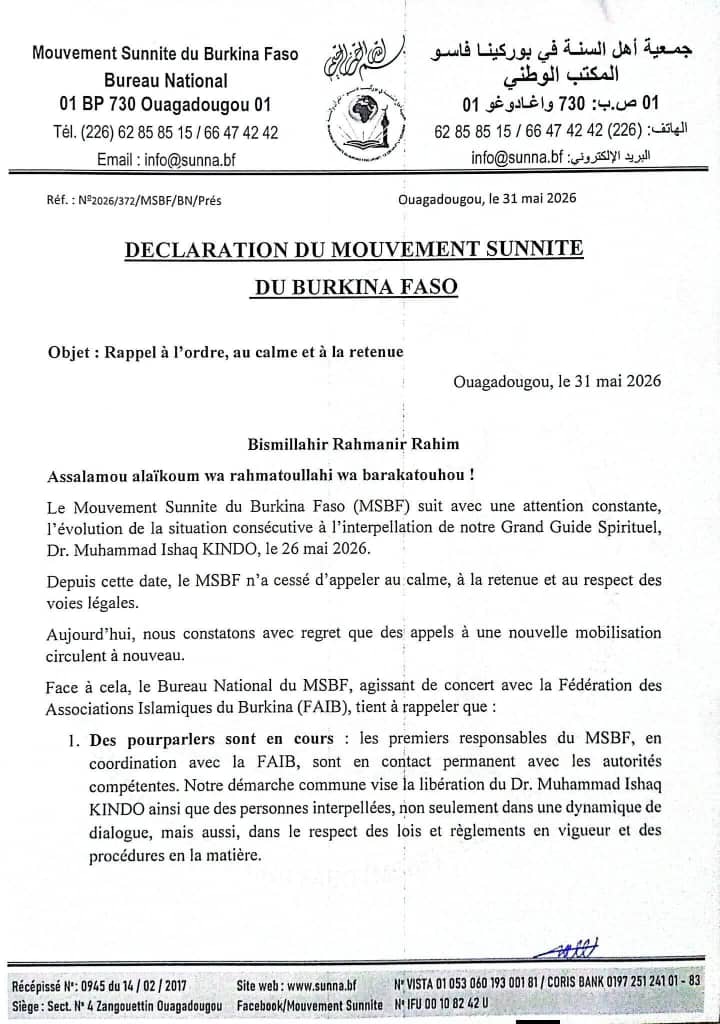
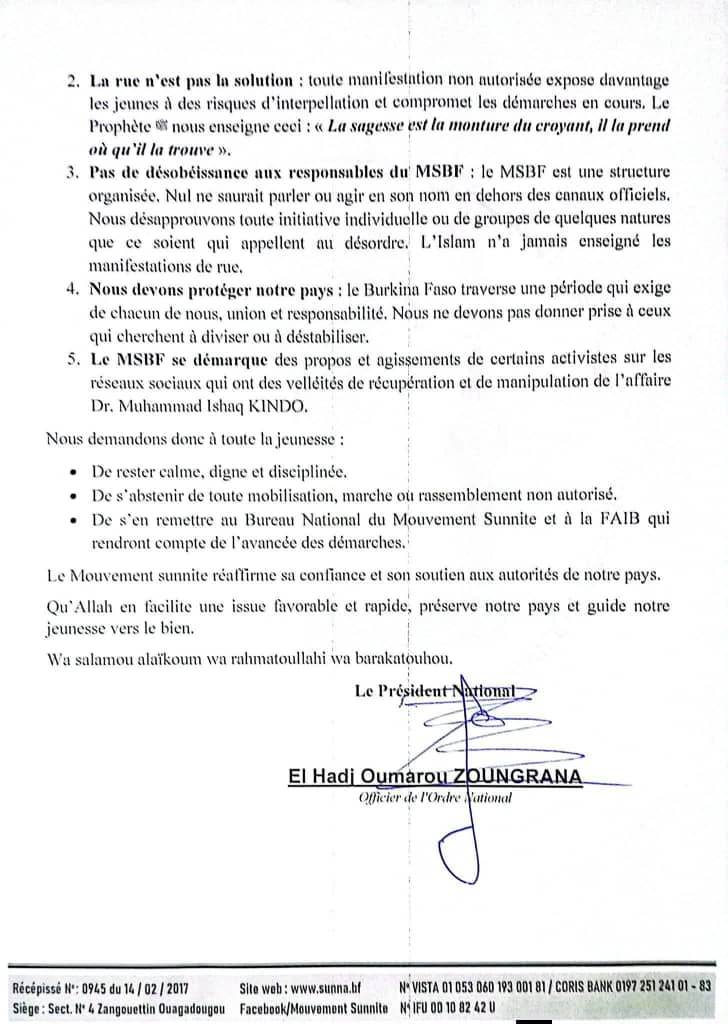
Le Mouvement sunnite du Burkina Faso (MSBF) appelle ses fidèles, en particulier la jeunesse, à faire preuve de calme, de retenue et de discipline après l'interpellation de son guide spirituel, Dr Muhammad Ishaq Kindo. Dans une déclaration publiée le 31 mai 2026, l'organisation indique que des discussions sont en cours avec les autorités, en collaboration avec la Fédération des associations islamiques du Burkina (FAIB), et exhorte ses membres à s'abstenir de toute manifestation non autorisée afin de préserver les démarches engagées et la stabilité du pays.
Categories: Afrique, Diplomacy & Crisis News
Grand salon de la data en Afrique : Ouagadougou accueille la première édition les 15 et 16 juillet 2026
La capitale burkinabè accueillera, les 15 et 16 juillet 2026, la première édition du Grand salon de la data en Afrique (GSDA). Lors d'une conférence de presse tenue ce lundi 1ᵉʳ juin 2026, les organisateurs ont présenté les grandes lignes de l'événement, ses ambitions ainsi que les modalités de participation.
Des panels de “haut niveau”, des sessions de formation, des hackathons ainsi que des stands d'exposition figurent, entre autres, au programme de cet événement, qui ambitionne de réunir plus de 1 000 participants issus du monde universitaire, du secteur professionnel et d'autres horizons. Des rencontres B2B sont également prévues.
Pour prendre part à l'événement, les organisateurs invitent les participants à s'inscrire sur la plateforme : www.gsdasummit.org/register.
« Le GSDA sera un moment de partage d'expériences à l'échelle panafricaine sur les enjeux de la donnée, sa gestion, son partage, son cadre légal, son exploitation et son appropriation dans une optique de développement, afin d'en faire un moteur de croissance pour nos économies africaines. C'est également une occasion de création d'emplois dans une dynamique endogène, souveraine et locale, fondée sur nos ressources humaines et ancrée dans nos territoires, tout en s'inspirant de nos valeurs et de nos besoins », a indiqué le promoteur de l'événement, Djibril Pierre Clavair Pamousso.
Selon les organisateurs, la participation au salon est libre et ouverte à tous. Étudiants, chercheurs, entrepreneurs, start-up, entreprises, institutions publiques, partenaires techniques et financiers, investisseurs et passionnés du numérique sont attendus durant ces deux jours d'échanges.
Selon le promoteur de l'évènement, Djibril Pierre Clavair Pamousso, l'évènement se tiendra au SIAO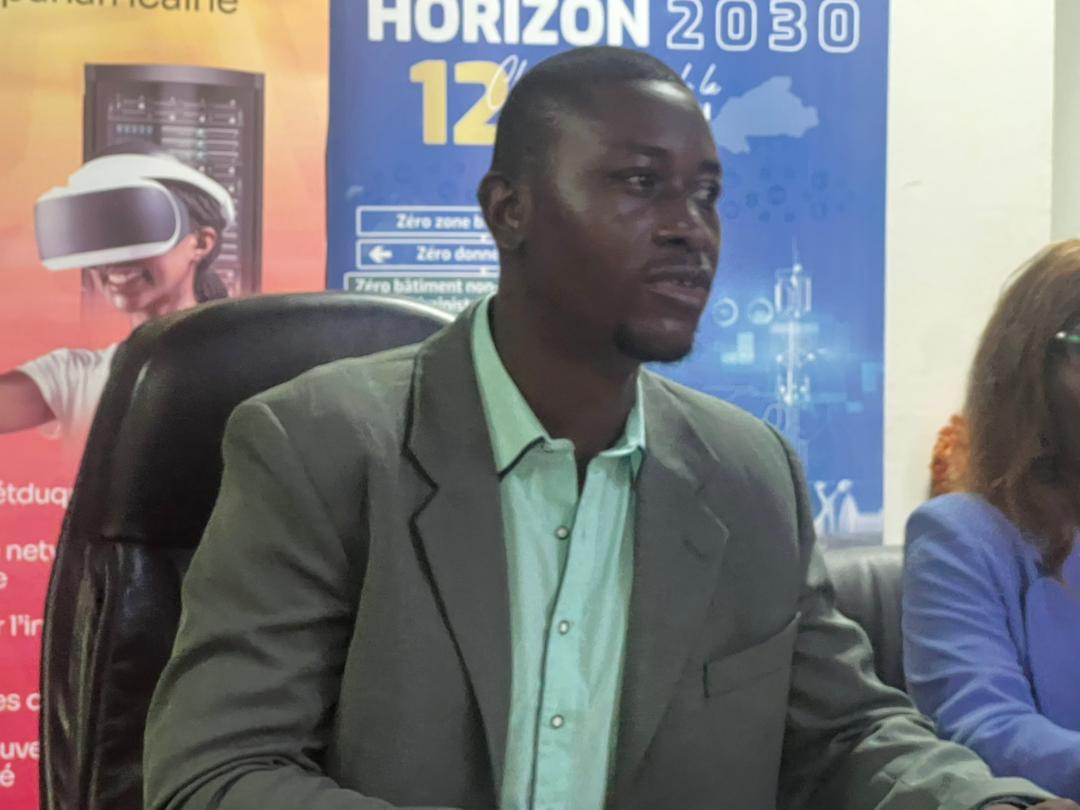
Selon la responsable du sponsoring et des partenariats, Wend-Yam Carine Ouédraogo, plusieurs espaces d'exposition seront mis à la disposition des participants. Il s'agit notamment du stand Découverte, destiné aux start-up, associations, centres de formation et jeunes entreprises souhaitant se faire connaître du grand public ; du stand Standard, réservé aux Petites et moyennes entreprises (PME), cabinets de conseil, institutions et entreprises désireux de développer des échanges qualifiés avec les visiteurs et les décideurs ; et du stand Pro, conçu pour les grandes entreprises, les administrations publiques et les fournisseurs de solutions technologiques souhaitant organiser des démonstrations, des rencontres B2B et présenter leurs innovations.
À ces espaces s'ajoute le stand Premium, qui offre un emplacement stratégique et une visibilité maximale aux leaders du marché, aux opérateurs de télécommunications, aux banques, aux compagnies d'assurances, aux institutions internationales et aux grandes entreprises technologiques.
« Au-delà de son caractère festif, ce dîner-gala sera un véritable espace de connexion entre décideurs publics, acteurs privés, investisseurs, innovateurs et partenaires internationaux, favorisant la création de collaborations durables au service de la transformation numérique du continent », a déclaré Carine Ouédraogo.
L'événement se tiendra sous le thème : « Construire l'écosystème data africain : formation, régulation, innovation et gouvernance ».
S.I.K
Lefaso.net
Categories: Afrique, Diplomacy & Crisis News
Burkina/Gouvernance minière : Le rapport ITIE 2025 en préparation pour renforcer la transparence dans le secteur extractif
Le Secrétariat permanent de l'Initiative pour la transparence dans les industries extractives (SP-ITIE) a organisé, ce lundi 1er juin 2026 à Bobo-Dioulasso, un atelier de cadrage du Rapport ITIE 2025. Cette rencontre réunit ainsi les différentes parties prenantes du secteur extractif afin de définir les orientations techniques et méthodologiques devant guider l'élaboration du prochain rapport national sur la transparence des industries extractives.
Le secteur minier demeure l'un des piliers de l'économie burkinabè. Avec un sous-sol riche en ressources minérales, le Burkina Faso s'est imposé au fil des années comme un acteur majeur de la production minière en Afrique de l'Ouest. C'est dans cette dynamique que le pays a adhéré à l'Initiative pour la transparence dans les industries extractives (ITIE), convaincu qu'une gouvernance responsable des ressources naturelles constitue un levier essentiel pour lutter contre la corruption, renforcer la confiance entre les acteurs et améliorer les conditions de vie des populations.
Le secrétaire général du ministère de l'Énergie, des mines et des carrières, Doulaye Sanou, également vice-président du comité de pilotage de l'ITIE Burkina, n'a pas manqué de rappeler l'importance de cet engagement. « Le Burkina Faso est un pays à fort potentiel en ressources minérales. Depuis son adhésion au processus ITIE en 2008, notre pays a satisfait aux exigences de cette norme à travers la production de seize rapports », a-t-il indiqué.
Selon lui, l'élaboration du rapport ITIE constitue un exercice majeur de transparence, de production d'informations fiables et de dialogue entre les différentes parties prenantes du secteur extractif. A l'en croire, cet atelier de cadrage a pour objectif principal de déterminer les contours du futur rapport ITIE 2025. Il s'agit notamment d'identifier les flux financiers à prendre en compte, de définir le périmètre des données à collecter et de préciser les modalités de traitement des informations.
Les participants présents à l'atelier de cadrage du rapport ITIE 2025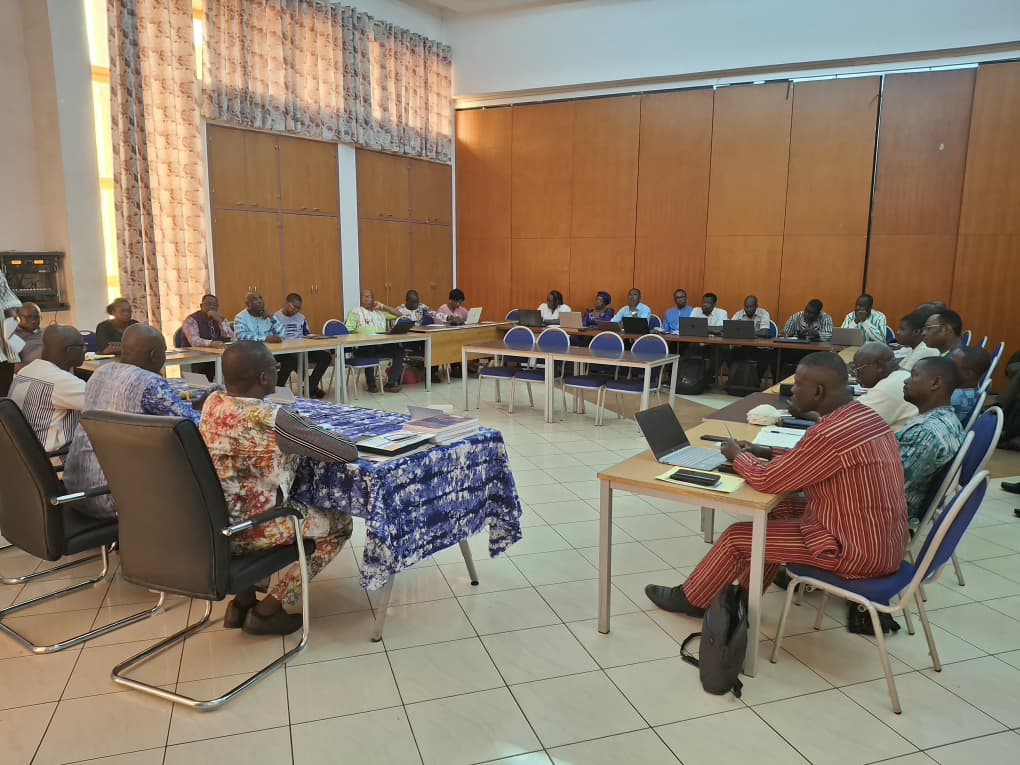
Il a indiqué que cette étape est déterminante pour garantir la qualité du rapport final. « Cet atelier consiste à déterminer le périmètre, les flux financiers et les conditions de collecte des informations afin d'aboutir à un rapport de qualité », a-t-il expliqué. L'une des innovations de cette édition réside dans la prise en compte des préoccupations des communautés riveraines des sociétés minières. Des échanges spécifiques sont prévus avec ces populations afin de mieux comprendre les difficultés qu'elles rencontrent dans leurs relations avec les entreprises extractives.
Les travaux de l'atelier, organisés sous forme de groupes thématiques et de séances plénières, permettront de produire une synthèse qui servira de base à la rédaction du rapport de cadrage. Ce document guidera ensuite l'élaboration du rapport ITIE 2025.
Le secrétaire général du ministère de l'Énergie, des mines et des carrières, Doulaye Sanou, également vice-président du comité de pilotage de l'ITIE Burkina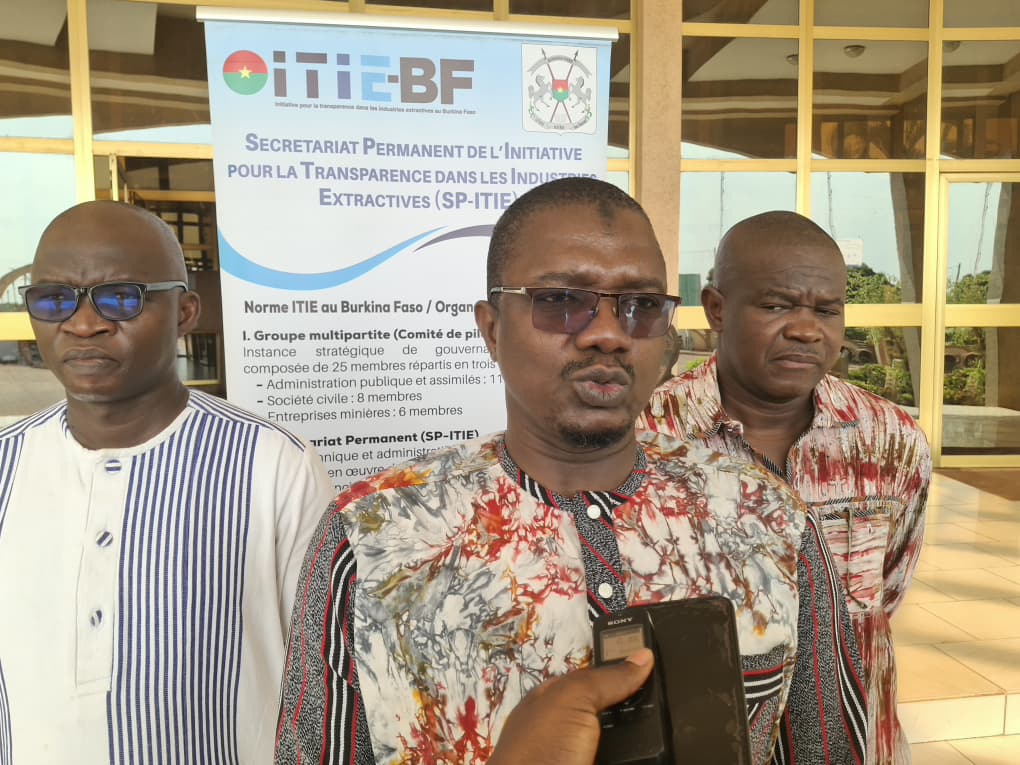
Un outil de contrôle et de redevabilité
Pour le secrétaire permanent de l'ITIE Burkina, Éric Zouré, le rapport ITIE constitue aujourd'hui un instrument incontournable de transparence dans le secteur extractif. « L'ITIE est la norme internationale en matière de transparence et de bonne gouvernance dans le secteur extractif », a-t-il rappelé. Le rapport permet notamment de recenser l'ensemble des paiements effectués par les sociétés minières à l'État. Ces données sont ensuite compilées et analysées afin de vérifier la concordance entre les montants dus et ceux effectivement versés. Lorsque des écarts ou des insuffisances sont constatés, les entreprises concernées sont invitées à procéder aux corrections nécessaires.
Le rapport ITIE 2024 remis officiellement au secrétaire général de la région du Guiriko pour le compte de la région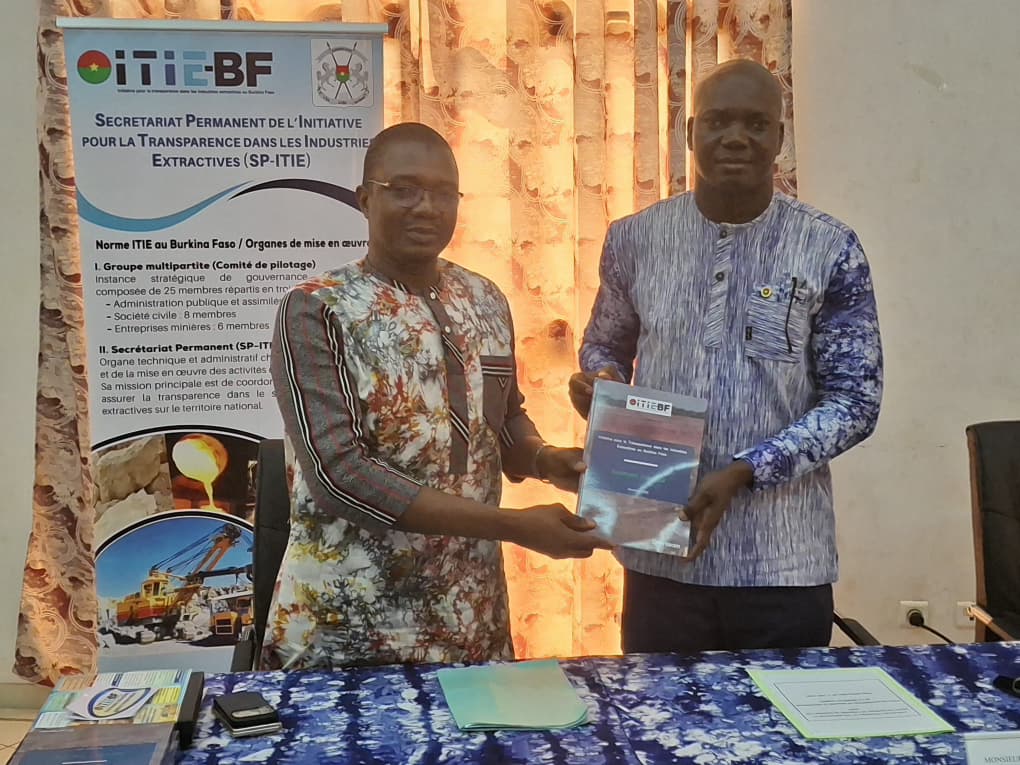
Au-delà des recettes fiscales, le rapport couvre également les contributions des sociétés minières en matière environnementale, sociale ainsi que les paiements effectués aux sociétés d'État. « Le rapport ITIE nous permet d'avoir une visibilité claire sur ce que les sociétés minières versent à l'État », a souligné Éric Zouré.
L'un des principes fondamentaux de l'ITIE repose sur la diffusion large des informations collectées. L'objectif est de permettre aux citoyens de mieux comprendre la contribution réelle du secteur extractif à l'économie nationale. Pour Éric Zouré, cette exigence répond également à une disposition constitutionnelle selon laquelle les ressources naturelles appartiennent au peuple burkinabè. « Il est important que chaque citoyen puisse connaître la contribution réelle des sociétés minières à l'économie du Burkina Faso », a-t-il insisté.
Cette démarche vise ainsi à renforcer la confiance entre l'État, les entreprises minières et les populations, tout en favorisant une meilleure gouvernance des ressources naturelles.
Pour le secrétaire permanent de l'ITIE Burkina, Éric Zouré, le rapport ITIE constitue aujourd'hui un instrument incontournable de transparence dans le secteur extractif
Des attentes fortes pour le rapport 2025
À l'issue de cet atelier, les responsables de l'ITIE Burkina Faso espèrent disposer d'un cadre méthodologique consensuel et rigoureux pour l'élaboration du rapport 2025. Les participants devront notamment contribuer à la collecte des données contextuelles et financières nécessaires, tout en intégrant les préoccupations exprimées par les communautés affectées par les activités minières. À travers cette nouvelle étape, le Burkina Faso réaffirme sa volonté de consolider les acquis enregistrés depuis son adhésion à l'ITIE et de promouvoir une gestion transparente, responsable et inclusive de ses ressources extractives.
La photo de famille à l'issue de la cérémonie d'ouverture des travaux de l'atelier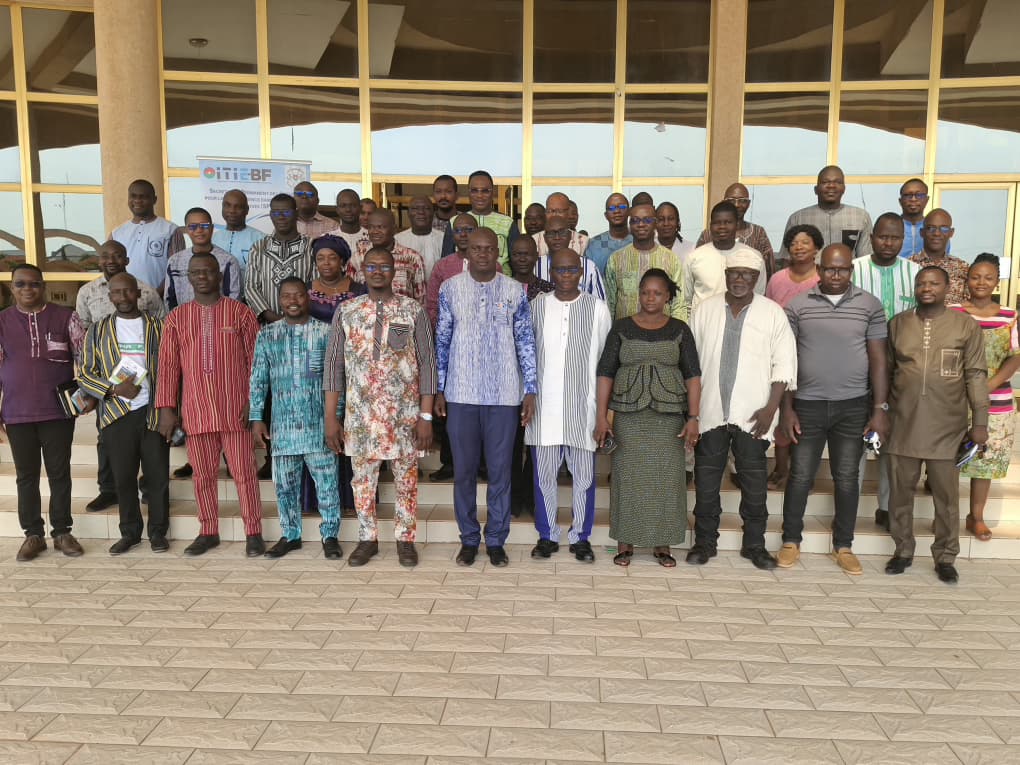
Présidant la cérémonie d'ouverture des travaux au nom du gouverneur de la région du Guiriko, le secrétaire général de la région, Souleymane Nacanabo, a salué la tenue de cette activité dans la capitale économique du Burkina. Selon lui, cet atelier constitue une étape importante dans le processus d'élaboration du rapport ITIE 2025. « Si vous voulez être un pays respecté et respectable, il faut aussi travailler à rendre l'information nette, claire, vérifiable et à la disposition de tous les acteurs », a-t-il déclaré. Il a également encouragé les participants à fournir le meilleur d'eux-mêmes afin que le rapport final reflète la qualité du travail attendu en matière de transparence et de redevabilité.
Romuald Dofini
Lefaso.net
Categories: Afrique, Diplomacy & Crisis News
Sénégal/Deux ans de PASTEF : L'avenir économique et politique du pays suscite craintes et inquiétudes
Le feuilleton de la crise entre les dirigeants du Pastef se poursuit avec un dénouement violent qui déchire le pacte qui a permis de remporter l'élection présidentielle. Entre Ousmane Sonko, président du parti et Premier ministre, et Diomaye Faye, président de la République, l'épreuve du pouvoir et les divergences se sont accumulées au fil du temps et le duo à la tête de l'exécutif a perdu la gamme. Le bruit et la fureur sont les caractéristiques de cette période écoulée qui ne diffère pas tellement de celle de la lutte contre Macky Sall. Autant Macky Sall a consacré son deuxième mandat à empêcher Sonko de se présenter à l'élection présidentielle, autant Sonko et Diomaye cherchent à se neutraliser. Et dans les deux cas, le pays est mal administré et s'enfonce dans la crise avec le terrorisme qui frappe à ses frontières.
Le 22 mai 2026, le président Diomaye Faye a pris ses responsabilités et s'est séparé de son ancien compagnon de bagne, celui qui l'a fait roi, pour vivre sa vie de président de la République du Sénégal, sans lui, à ses côtés. Comme aux échecs, Sonko répond à cette attaque en investissant aussitôt la présidence de l'Assemblée nationale. Rien ne va plus : plus personne ne pense au Sénégal et à son peuple, ni les deux dirigeants qui se battent, ni le Pastef, leur parti, qui se comporte comme un fan club au service de sa star préférée. Ce divorce politique ouvre une période d'incertitudes avec un Pastef ultra-majoritaire à l'Assemblée nationale dont le président dit que ce ne sera pas une chambre d'enregistrement.
Le président Faye a dû mûrir sa décision, mais de quelles marges de manœuvre dispose-t-il avant l'échéance de 2029 ? Compte-t-il sur les propos de Sonko qui évoquait avant son limogeage une cohabitation douce entre eux ? Le sentiment général qui se dégage de cette expérience d'une alternance obtenue par des manifestations et des martyrs, et une belle stratégie pour contourner les obstacles et empêcher le 3ᵉ mandat, c'est qu'en dehors des discours et des bagarres d'ego, le peuple sénégalais n'a rien obtenu au bout de deux ans. Comment faire pour que ce mandat présidentiel ne soit pas nul en réalisations pour les populations, avec un pays qui flirte avec la cessation de paiement, avec un passif lourd hérité de l'ancien pouvoir et une inertie du pouvoir actuel ?
Ne revenons plus sur les multiples accrocs entre le président sénégalais et son désormais ex-Premier ministre. Essayons de comprendre pourquoi l'alternance réussie n'a pas pu gouverner le pays dans le sens de résoudre les problèmes du pays et s'enferme dans un conflit où les deux camps perdent, et surtout le pays et sa population. Le problème est que ces périodes de crise, où l'État est absent du fait de l'instabilité et des conflits politiques exacerbés, sont des temps propices à l'infiltration des groupes terroristes. Si les deux camps ne s'écoutent pas, le Sénégal va vivre au total une décennie, en comptant le deuxième mandat de Macky Sall, où les forces de sécurité sont dissipées par un travail de maintien de l'ordre public.
La veille sécuritaire ne sera pas suffisamment assurée. Les torts sont partagés par les deux hommes principalement et par le parti. En Afrique nous ne parvenons pas encore à bâtir des organisations solides qui vivent après les fondateurs et qui peuvent s'émanciper d'eux, que ce soit les entreprises ou les partis politiques. Le Pastef (Patriotes africains du Sénégal pour le travail, l'éthique et la fraternité), au vu du comportement de ses militants ces derniers jours, montre ses limites et sa jeunesse. Créé en 2014 par Ousmane Sonko, c'est sa première expérience de gestion du pouvoir d'État et de la majorité parlementaire.
Il n'a pas eu d'influence sur le débat qui oppose Sonko et Diomaye. Les militants se sont bornés à être des suiveurs, à s'aligner derrière Ousmane Sonko, en traitant de manière infantile Diomaye Faye de traître à l'amitié ou à la ligne du Pastef. Qu'est-ce qui explique qu'un directeur général démissionne de son poste parce qu'un Premier ministre a été limogé sans que le parti ne se soit réuni sur la situation ? Ce directeur travaille -t-il pour son pays ou pour ce leader ? Le parti et ses militants ne sont pas à la hauteur des défis actuels du pays et n'acquièrent pas assez vite les compétences pour gouverner le pays.
La gestion de la dette cachée
C'est bien d'avoir voulu faire un audit de la gestion du pays, mais vu l'ampleur de la situation catastrophique que l'ancien pouvoir leur a léguée, est-ce que ce n'aurait pas été mieux pour le pays de garder ce secret en attendant que les créanciers réclament leur dette ? Ceux-ci peuvent-ils oublier ce qu'ils ont prêté au Sénégal ? En se parant du manteau de la vertu et de la transparence, les dirigeants ont agi comme des opposants qui enfoncent un adversaire déjà à terre, mis KO par la victoire électorale. Ils ne se sont pas comportés comme des hommes d'État qui devraient penser à la situation financière du pays et aux ressources nécessaires pour adresser les problèmes sociaux.
Cette erreur d'appréciation et de décision est à l'origine de l'aggravation de la crise financière du pays. Le FMI ne peut pas convaincre quelqu'un qu'il n'était pas au courant de la dette cachée découverte par la Cour des comptes. Il avait fermé les yeux pour voler au secours de Macky Sall qui, anticipant les retombées de l'exploitation pétrolière et gazière, a commencé à emprunter à tout va et à faire de l'État sénégalais un État qui vit au-dessus de ses moyens.
Le vrai débat entre Sonko et Diomaye est celui de la gestion de la dette. Faisant le bilan de son action à la primature, Ousmane Sonko n'a pas évoqué cette question. Senego, un site web sénégalais, rapporte : « Il a notamment cité la transparence dans la gestion publique, la renégociation des intérêts stratégiques du Sénégal, la moralisation de la vie publique, la lutte sans merci contre la corruption, la réduction drastique du train de vie de l'État, les réformes économiques et sociales, ainsi que la maîtrise du coût de la vie et l'apaisement durable du climat social. » Voilà le hic, là où le pays est pris à la gorge.
Et pendant deux ans, le Premier ministre n'a pas pu desserrer le nœud En 2025, le Sénégal a payé 5 700 milliards de FCFA de la dette extérieure seulement, mais existe-t-il un moyen viable et soutenable de supporter ce fardeau en dehors d'un accord avec le FMI ? Le Sénégal peut-il se lancer dans la spirale d'emprunter pour payer la dette ? Cette dernière question, si elle était posée au peuple, serait vivement rejetée.
Le Sénégal ne sera pas le premier pays à recourir à l'emprunt pour payer la dette. Des pays avec une dette qui dépasse les 100 % du PIB comme la France et les États-Unis le font depuis longtemps. Comment trouver 6 000 ou 3 600 milliards de francs CFA par an pour faire face aux obligations du service de la dette ? Ce montant est très élevé, que l'on prenne la borne inférieure ou supérieure, pour un pays qui a certes des ressources naturelles importantes comme le fer, le zircon, l'or, les phosphates, le pétrole et le gaz. C'est l'échéance de l'exploitation des hydrocarbures qui a attisé les cupidités et la volonté d'un troisième mandat et l'endettement effréné.
Ce qui explique les problèmes du Sénégal c'est la propension des dirigeants à ne penser qu'à eux et au système qui les maintient en place et non au peuple et à ses souffrances. Avec une dette représentant 132% du PIB, est-ce raisonnable de sacrifier des investissements vitaux, renoncer au programme du Pastef de créer de la richesse et des emplois pour payer une dette que l'on considère illégitime ?
C'est toute cette confusion idéologique et morale dans la gestion du pouvoir qui a fait que les deux ans de pouvoir du Pastef comptent pour rien. Pourront-ils faire quelque chose avec le nouveau Premier ministre qui est un financier et qui, a priori, peut pencher pour reprendre les discussions avec le FMI ? L'issue de ce changement dans les rapports dépendra aussi de l'aval de l'Assemblée. Le pays va au-devant de nouvelles batailles et de moments d'incertitudes.
Sana Guy
Lefaso.net
Categories: Afrique, Diplomacy & Crisis News
Burkina : En mai 2026, le ministère de l'Economie et des Finances a enregistré 401 milliards de francs CFA de recettes
A l'occasion de la cérémonie de montée des couleurs nationales tenue ce lundi 1er juin 2026 à Ouagadougou, le ministre de l'Economie et des Finances, Dr Aboubakar Nacanabo, a invité l'ensemble des agents de son département à maintenir la dynamique de performance engagée au service du développement national. Il a réaffirmé le rôle stratégique du ministère dans la transformation économique du Burkina Faso et dans la mise en œuvre des ambitions du Plan RELANCE 2026-2030.
Par ailleurs, il a salué les efforts déployés dans la lutte contre la fraude économique. Les actions conjointes de la Direction générale des douanes (DGD) et de la Coordination nationale de lutte contre la fraude (CNLF) ont permis de renforcer la protection des consommateurs, de sécuriser les recettes publiques et de contribuer à l'assainissement de l'environnement économique national, a-t-il estimé dans ses échanges avec ses collaborateurs.
Parmi les avancées majeures enregistrées au cours du mois de mai, figurent la création du Fonds souverain minier, destiné à garantir une gestion durable des revenus issus des ressources minières, ainsi que la mise en place de la Grande imprimerie du Faso, un instrument stratégique au service de la souveraineté administrative du pays. Ces résultats viennent couronner une performance exceptionnelle en matière de mobilisation des ressources publiques.
Selon les chiffres communiqués par Dr Aboubacar Nacanabo, en mai 2026, le ministère a enregistré 401 milliards de francs CFA de recettes, sur une prévision de 275 milliards, soit un dépassement remarquable de 126 milliards de francs CFA. Des chiffres qui rappellent que malgré l'insécurité que traverse le Burkina Faso, son économie tient toujours debout, et que ses institutions restent dynamiques.
Rappelons à ce propos qu'en novembre 2025, le ministre de l'économie et des finances, Dr Aboubakar Nacanabo, recevait en audience, une délégation de la Banque mondiale, conduite par son représentant résident, Hamoud Abdel Wedoud Kamil, accompagné du directeur des réformes des finances publiques en mission au Burkina Faso dans le cadre de la Country policy and institutional assessment (CPIA).
Les échanges ont porté sur les progrès enregistrés au Burkina Faso, les réformes en cours ainsi que les pistes d'amélioration du cadre institutionnel et économique. La Banque mondiale a salué les avancées notables et réaffirmé son engagement à soutenir le Burkina Faso dans la consolidation de ses politiques publiques et le renforcement de ses institutions.
Dans le rapport sur la situation économique du pays (exploité par nos confrères d'Aujourd'hui au Faso) publié le jeudi 10 juillet 2025, la Banque mondiale soulignait une croissance du PIB réel qui passait de 3,0% en 2023 à 4,9% en 2024. Ce rapport mentionnait également que la croissance du PIB par habitant a atteint 2,5%, contre 0,7% l'année dernière ; que le taux de pauvreté extrême a reculé de 3 points de pourcentage, atteignant 23,2% de la population.
Pas plus tard que le 12 mai 2026, à Ouagadougou, la mission du Fonds monétaire international (FMI) restituait au ministre délégué chargé du budget, Fatoumata Bako, les conclusions de la cinquième revue de la Facilité élargie de crédit (FEC), couplée à la première revue de la Facilité pour la résilience et la durabilité (FRD) du Burkina Faso.
« A l'issue des travaux, l'équipe du FMI a exprimé une appréciation très positive des performances réalisées par le pays, malgré un contexte sécuritaire et économique difficile. Elle a notamment salué les progrès enregistrés dans la mobilisation des recettes, la gestion des finances publiques et la poursuite des réformes économiques. Le chef de mission du FMI a qualifié les résultats obtenus d'« extraordinaires », lit-on sur le site du ministère de l'économie et des finances.
Erwan Compaoré
Lefaso.net
Categories: Afrique, Diplomacy & Crisis News
Humour : Avec « Goumin Pro Max », Moussa Petit Sergent a transformé les peines de cœur en éclats de rire
La salle de conférences de Ouaga 2000 a refusé du monde le dimanche 31 mai 2026 à l'occasion du 8ᵉ one-man-show de Moussa Petit Sergent. Baptisé « Goumin Pro Max ». Le spectacle a tenu toutes ses promesses en offrant au public une heure et demie de rire, de musique et de satire sociale. Dans une salle acquise à sa cause, l'humoriste burkinabè a revisité avec humour les déceptions amoureuses et les réalités du quotidien, confirmant une fois de plus sa place parmi les figures majeures de l'humour burkinabè.
Moussa Petit Sergent a réussi son pari. Quelques jours après avoir annoncé vouloir réunir les Burkinabè autour d'une grande « réunion de goumin », l'humoriste a fait salle comble à la salle de conférences de Ouaga 2000. Les nombreux spectateurs venus assister à son huitième one-man-show n'ont pas été déçus du voyage.
Dès son apparition sur scène, l'ambiance était donnée. Dans une entrée soigneusement préparée, l'artiste a été accueilli par des applaudissements nourris. Pendant une heure et demie, il a tenu son public en haleine à travers un spectacle construit autour du thème du « goumin », ce terme populaire qui désigne les peines de cœur, les déceptions sentimentales et, plus largement, toutes ces situations qui font souffrir mais que l'on finit parfois par raconter avec le sourire.
Fidèle à son style, Moussa Petit Sergent a puisé dans les réalités sociales pour bâtir son texte. Les relations amoureuses, les comportements du quotidien, les frustrations, les rêves et les contradictions de la société ont constitué la matière première de ce spectacle. Avec son sens de l'observation et sa capacité à transformer des situations ordinaires en moments hilarants, il a enchaîné les sketchs sous les éclats de rire du public.
Le rappeur Frère Malkom aux côtés de Moussa Petit Sergent
L'une des particularités du récit de « Goumin Pro Max » réside dans l'utilisation de chansons d'artistes burkinabè comme fil conducteur de plusieurs tableaux humoristiques. En s'appuyant sur des morceaux connus du grand public, l'humoriste a réussi à créer une proximité immédiate avec les spectateurs tout en valorisant le patrimoine musical national. Cette immersion dans l'univers culturel burkinabè a été particulièrement appréciée par les amoureux de l'humour présents dans la salle. Le spectacle a également été marqué par plusieurs apparitions qui ont contribué à maintenir l'intensité de la soirée. Les humoristes Soum le Sapeur, Loukma et ILA ont rejoint Moussa Petit Sergent sur scène à différents moments du show. Chacun a apporté sa touche personnelle, offrant au public des registres humoristiques variés et complémentaires.
La surprise la plus marquante de la soirée a toutefois été l'entrée du rappeur Frère Malkom. Son apparition inattendue aux côtés de l'humoriste a suscité une vive réaction dans la salle. Entre musique et humour, cette collaboration a ajouté une dimension particulière au spectacle et renforcé l'ambiance festive qui a caractérisé toute la soirée.
Un spectacle salué par le public et les professionnels
Au-delà des rires, « Goumin Pro Max » a également convaincu plusieurs observateurs du monde culturel présents dans la salle. Le journaliste culturel, Marius Diessongo, n'a pas caché son appréciation à l'issue du spectacle. Selon lui, le one-man-show témoigne du savoir-faire acquis par Moussa Petit Sergent au fil de ses années de carrière. « Je trouvais que le spectacle était bien construit, bien écrit. Il y avait beaucoup de surprises », a-t-il confié. Le journaliste a particulièrement apprécié les choix artistiques opérés par l'humoriste, notamment la discrétion de l'orchestre qui permettait au public de se concentrer essentiellement sur la prestation du comédien. « J'ai aimé l'esprit où les musiciens, on ne les voyait pas. Donc, on se focalisait principalement sur l'artiste lui-même », a-t-il expliqué. Pour Marius Diessongo, le spectacle se distingue également par sa cohérence narrative.
“Encore 30 minutes mais c'est bien. Chapeau à lui ! On va dire qu'il est dans le top 3 des meilleurs humoristes du Burkina”, pense le journaliste culturel Marius Diessongo
« Depuis la genèse du goumin jusqu'à la chute, avec parfois des ouvertures pour parler d'autres thématiques, tout était renfermé dans le goumin. Je pense que c'est bien écrit », a-t-il souligné avant d'ajouter : « On va dire qu'il est dans le top 3 des meilleurs humoristes du Burkina. »
Parmi les fans de Moussa Petit sergent, l'enthousiasme était tout aussi perceptible. Spectatrice venue assister au spectacle, Prisca Ouattara est repartie conquise. « Franchement, j'ai suivi. J'ai aimé. J'ai adoré. C'était très intéressant », a-t-elle déclaré à la fin du show. Elle a notamment salué la présence de plusieurs humoristes sur scène ainsi que la place accordée à la culture burkinabè dans la construction du spectacle. « Il a fait participer plusieurs autres humoristes. C'était vraiment bien. Je pense aussi qu'il a fait la promotion des artistes burkinabè. Dans l'ensemble, j'ai passé un très bon moment », a-t-elle affirmé. Comme beaucoup de spectateurs, elle aurait souhaité prolonger l'expérience. « Il nous a laissés sur notre faim parce que c'est fini à un moment où on était toujours dans l'engouement », a-t-elle ajouté avec le sourire.
Prisca Ouattara aurait voulu que le spectacle dure plus longtemps car ça lui a permis d'évacuer le stress
Parmi les invités de marque figurait également l'artiste Smarty. Visiblement impressionné par la prestation de son confrère, le rappeur a salué la qualité du spectacle et le professionnalisme de sa mise en scène. « C'est incroyable. C'est le mec qui nous surprend tous les jours. C'est un spectacle qui était carré. J'ai aimé le décor et tout. Je pense que je vais m'en inspirer pour mon prochain spectacle », a-t-il confié. Smarty a également rendu hommage au parcours de l'humoriste. « Moussa, on en apprend toujours de sa création. C'est un gars pour qui j'ai beaucoup de respect. Je pense qu'il a encore beaucoup à donner au Burkina », a-t-il estimé.
Pour Smarty le spectacle était incroyable !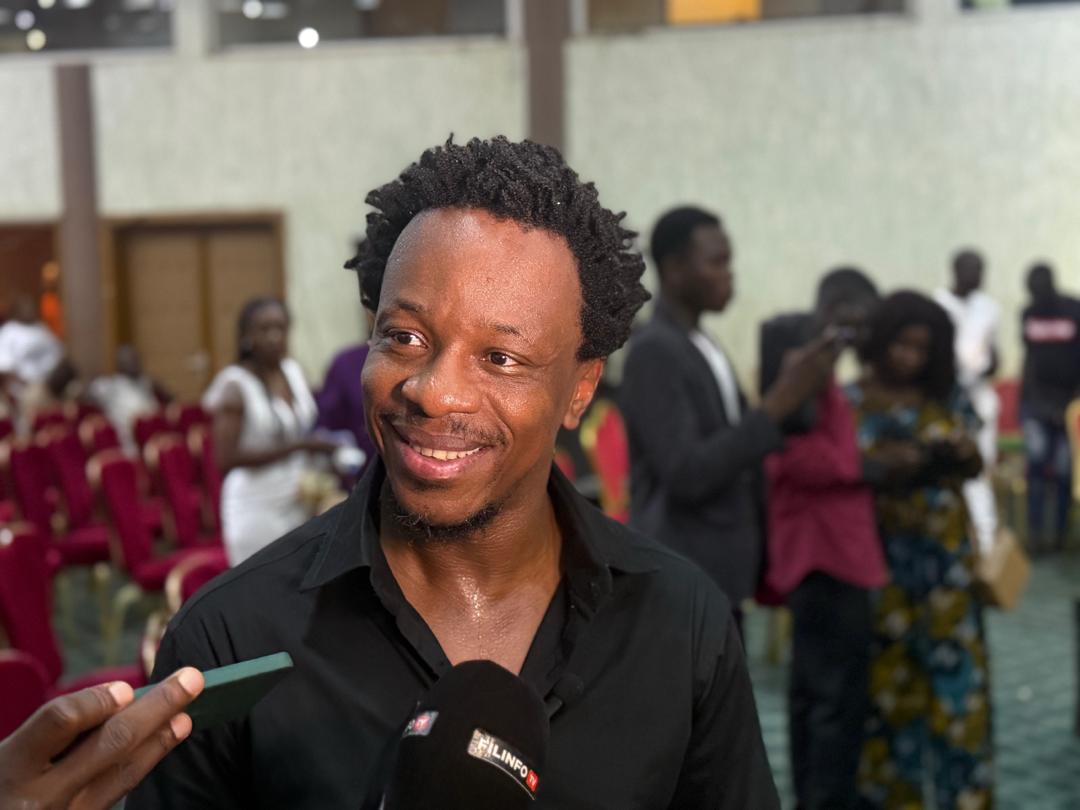
Au sortir du spectacle, Moussa Petit Sergent affichait naturellement sa satisfaction. Pour l'artiste, la forte mobilisation du public constitue déjà une première victoire. « C'est vraiment avec fierté et enthousiasme que j'ai vu que le public a répondu à l'appel. Pour tout artiste, quand on fait des propositions artistiques, voir que le public est réceptif, c'est déjà une satisfaction », a-t-il déclaré. Au-delà du succès populaire, l'humoriste dit avoir voulu délivrer un message simple : apprendre à relativiser les épreuves de la vie. « Derrière ce spectacle, c'est de dire que le chagrin d'amour, on peut aussi en rire. On peut rire de nos douleurs. Il ne faut pas dramatiser toutes les situations », a-t-il expliqué.
Sous une pluie d'applaudissements, « Goumin Pro Max » s'est achevé dans une ambiance chaleureuse, laissant derrière lui des spectateurs conquis.
Farida Thiombiano
Lefaso.net
Categories: Afrique, Diplomacy & Crisis News
Coopération : La 17ᵉ mission médicale chinoise apporte assistance aux enfants vulnérables
Une délégation de la 17ᵉ mission médicale chinoise conduite par Huang Tie Diu était ce 1ᵉʳ juin 2026 à l'Église baptiste fondamentale de l'Eau vive située à Cissin. Cette visite s'inscrit dans le cadre de la célébration de la journée internationale de l'enfance.
Pour certains pays dont la Chine, le 1er juin marque la Journée internationale de l'enfance. Cette journée est une occasion pour sensibiliser la population à l'éducation, la santé, la sécurité et le bien-être général des enfants. C'est dans ce cadre que s'inscrit la présente activité menée avec les enfants vulnérables de l'Eglise baptiste de l'Eau vive.
Elle a permis à plusieurs enfants réunis au sein de l'église, d'avoir accès à une consultation médicale gratuite. Des gestes d'hygiène et de premiers secours leur ont aussi été enseignés. La mission médicale chinoise est venue les bras chargés de vivres, de médicaments, de fournitures scolaires et d'équipements de football au profit des enfants.
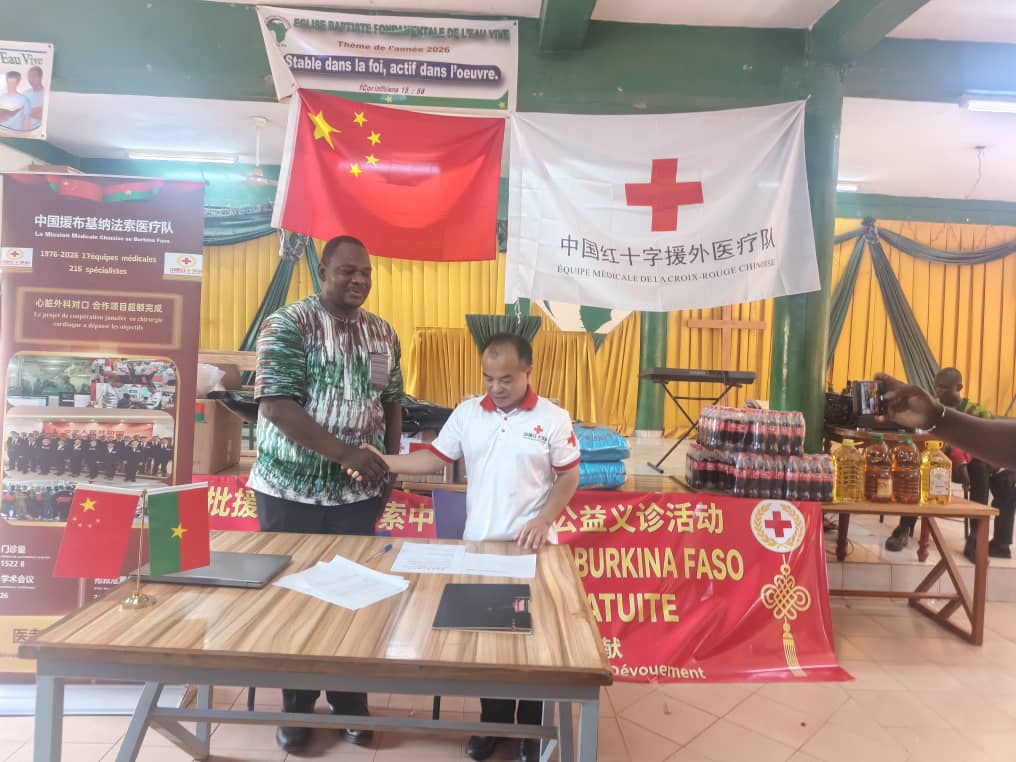
Le chef de la mission médicale chinoise, Huang Tie Diu, a indiqué que cette action entre dans le cadre de la consolidation des liens d'amitié qui lient la Chine et le Burkina Faso. Et en célébrant ce jour la journée internationale de l'enfance, la Chine entend apporter sa contribution afin que chaque enfant puisse grandir dans la paix et la joie.
Cette activité avec les enfants vulnérables de l'Eglise baptiste est à sa 5ᵉ édition. Le pasteur principal, Justin Simporé, a témoigné la gratitude des bénéficiaires aux amis chinois. " Depuis plus de 5 ans, nous travaillons ensemble. Et aujourd'hui, je suis très content que la délégation médicale chinoise soit venue pour apporter une touche au développement holistique des enfants", a-t-il affirmé.
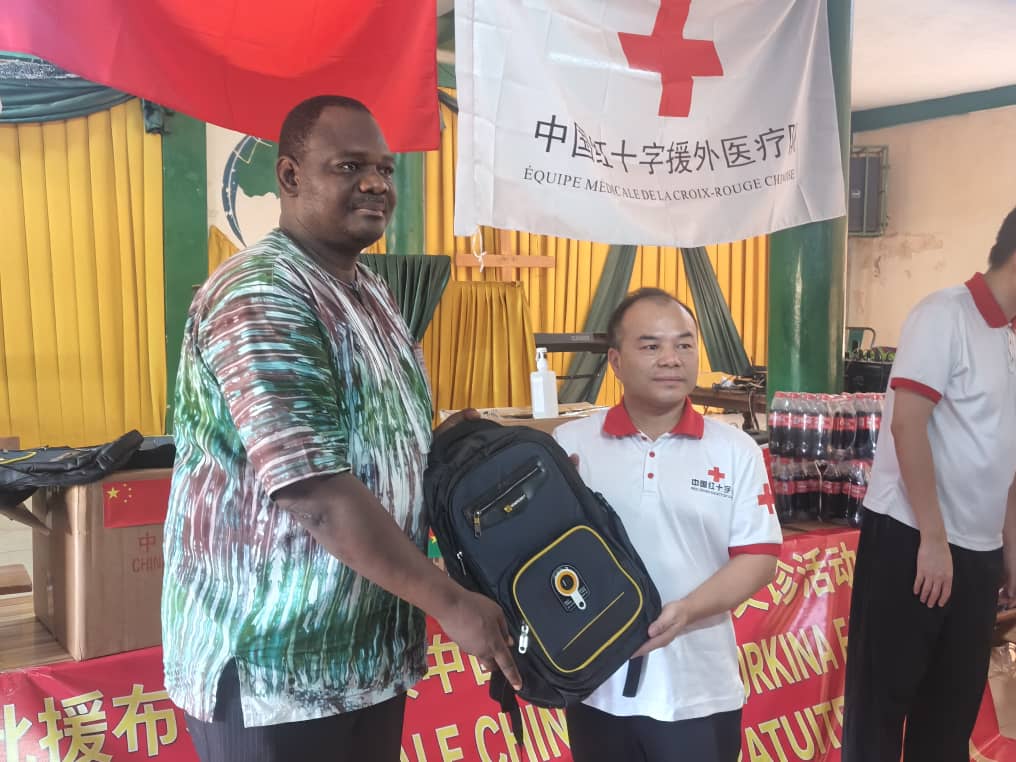
Il a indiqué que cette initiative s'insère parfaitement dans le même cadre que le programme de prise en charge des orphelins et enfants vulnérables, mis en œuvre par l'Église baptiste depuis 15 ans, et dont l'objectif est d'offrir aux enfants un accompagnement matériel, éducatif, moral et spirituel, afin de leur permettre de devenir des adultes responsables. Depuis le début du programme, ce sont plus de 200 enfants qui ont été pris en charge. Actuellement, ce sont 65 enfants orphelins et vulnérables qui bénéficient de l'accompagnement du programme.
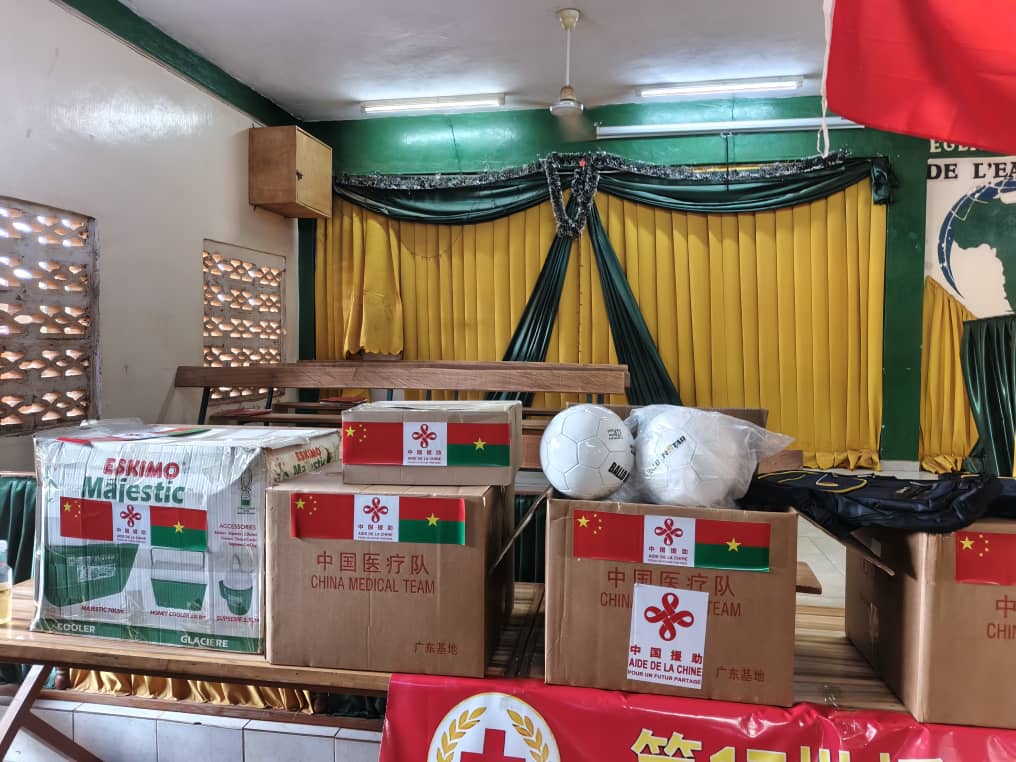
Tout en se réjouissant de l'excellente collaboration qui existe entre la mission médicale chinoise et la communauté de l'Eglise baptiste, le pasteur Justin Simporé fonde l'espoir que le partenariat se pérennise et se renforce. Il a plaidé pour un accompagnement plus structuré, afin de permettre aux enfants d'obtenir des bourses d'études, de renforcer le programme de prise en charge des orphelins et enfants vulnérables et de soutenir davantage le développement du centre de santé porté par l'Eglise baptiste.

Armelle Ouédraogo
Lefaso.net
Categories: Afrique, Diplomacy & Crisis News
Burkina Faso : La Conférence interafricaine des marchés d'assurances ouvre sa première réunion du Comité des experts de l'année 2026 à Ouagadougou
Ouagadougou accueille, du 1ᵉʳ au 13 juin 2026, la première réunion du comité des experts de la Conférence interafricaine des marchés d'assurances (CIMA). Cette session, organisée par l'instance communautaire, réunit les experts des 14 États membres autour des principaux enjeux liés à la régulation, à la supervision et au développement du marché interafricain des assurances.
Chargé de préparer les dossiers qui seront soumis au Conseil des ministres des assurances, le Comité des experts examinera pendant près de deux semaines plusieurs questions stratégiques portant sur la réglementation, la gouvernance, la solidité financière des entreprises d'assurance, la protection des assurés ainsi que la modernisation du secteur.
Les travaux portent notamment sur l'examen des rapports d'activités 2025 du Secrétariat général de la CIMA et de la Commission régionale de contrôle des assurances (CRCA), l'analyse de l'exécution budgétaire de l'exercice 2025 ainsi que plusieurs dossiers administratifs et financiers relatifs à la vie de l'institution.
Présidant la cérémonie d'ouverture, le ministre burkinabè en charge de l'économie et des finances a souligné l'importance de cette rencontre technique qui précède les décisions du Conseil des ministres de la CIMA. Selon lui, les experts auront à se prononcer sur des sujets majeurs qui touchent à la réglementation du secteur des assurances, à sa gouvernance, mais également à l'inclusion financière et à la digitalisation.
Le ministre en charge des finances a invité les participants à poursuivre les réformes visant entre autres la modernisation du cadre réglementaire et le renforcement de l'inclusion financière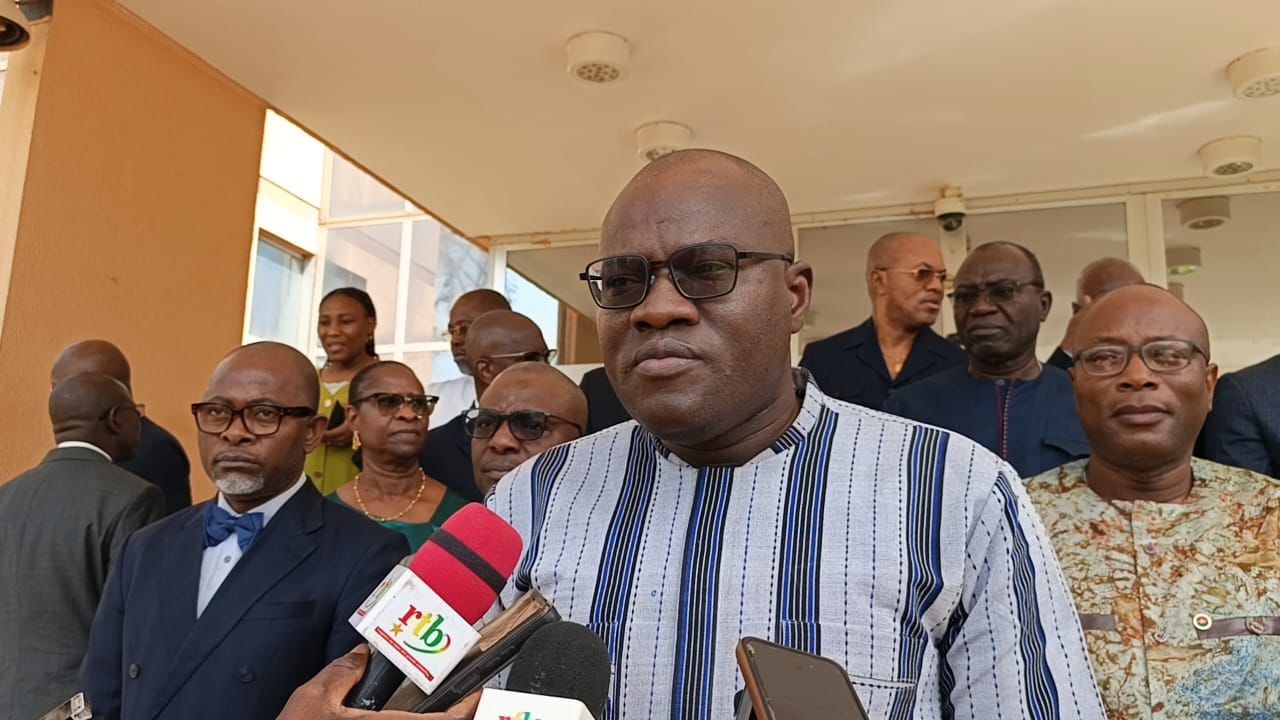
« Ce matin, les experts sont venus de 13 pays membres de la CIMA pour produire un rapport qui va guider et éclairer les décisions qui seront prises pendant le Conseil des ministres. C'est une rencontre très importante parce que les dossiers examinés entrent en droite ligne de l'avancée de la CIMA et il est important que les experts puissent réfléchir pour dégager des pistes importantes et soumettre un rapport au Conseil des ministres qui prendra des décisions pour la bonne marche de l'espace communautaire », a insisté le ministre de l'économie et des finances, Dr Aboubacar Nacanabo.
Le ministre a rappelé que l'assurance ne constitue pas uniquement un mécanisme de couverture des risques, mais représente également un puissant levier de développement économique.
« L'assurance est avant tout un facteur de confiance, un instrument de stabilité et un puissant levier de développement. En sécurisant les initiatives économiques, en protégeant les patrimoines et en mobilisant des ressources au service de l'investissement, elle contribue à créer les conditions indispensables à une croissance durable et à une prospérité partagée », a-t-il affirmé.
Face aux besoins croissants de financement des économies africaines, il a estimé que le secteur assurantiel est appelé à jouer un rôle plus important dans le financement des infrastructures, de la transition numérique et des projets structurants du continent.
Le ministre a également salué la tenue de cette session au Burkina Faso, qu'il a présenté comme une terre de résilience, de fraternité et d'espérance, avant de féliciter les nouveaux responsables de l'institution, notamment le secrétaire général de la CIMA, Éric Rochereau Kouaghu Tchuisseu, et le président du Comité des experts, Issaka Abdoulhamid.
Selon le président du Comité des experts, Issaka Abdoulhamid, le taux de pénétration de l'assurance est en deçà de 1 % dans la quasi-totalité des États membres de la CIMA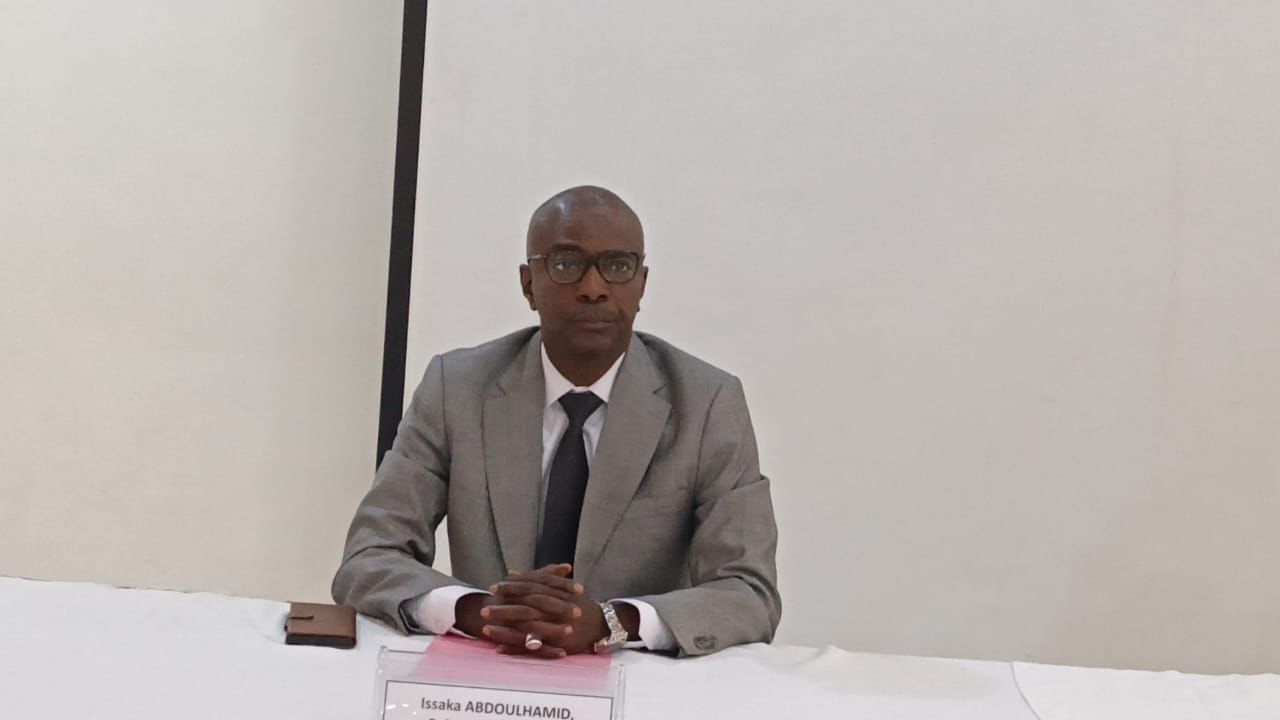
Abordant les défis du secteur, il a invité les participants à poursuivre les réformes visant la modernisation du cadre réglementaire, le renforcement de l'inclusion financière, l'amélioration de la gouvernance des sociétés d'assurances et la consolidation de leur solvabilité.
Le président du Comité des experts, Issaka Abdoulhamid, a insisté sur les principaux défis auxquels est confronté le secteur assurantiel dans l'espace CIMA, notamment l'amélioration de la réglementation, le renforcement de la solidité financière des compagnies et la protection accrue des assurés.
Interrogé sur le niveau de pénétration de l'assurance dans les pays membres, il a reconnu que celui-ci demeure encore faible.
« Le taux de pénétration de l'assurance est encore faible dans notre zone. Il est en deçà de 1 % dans certains pays et dans la quasi-totalité des États membres de la CIMA », a-t-il indiqué.
La première réunion du Comité des experts de l'année 2026 a réuni les experts des 14 membres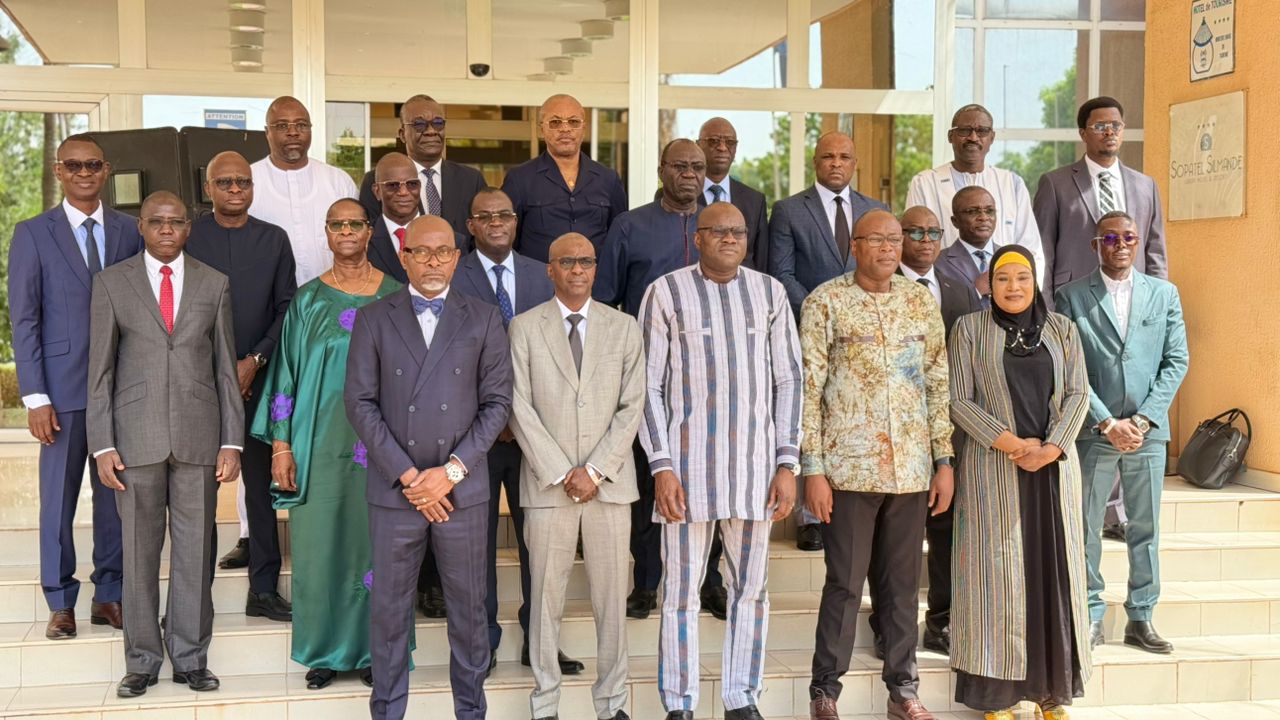
Selon lui, cette situation s'explique par plusieurs facteurs, notamment les réalités socio-économiques et culturelles des pays membres, la faiblesse du pouvoir d'achat ainsi que le déficit de sensibilisation aux produits d'assurance.
Pour relever ces défis, les experts examineront pendant 13 jours des questions liées à la protection des assurés, à l'adaptation du secteur aux nouveaux risques émergents, notamment les risques climatiques, ainsi qu'à la digitalisation des activités d'assurance. Ils devront également formuler des recommandations destinées à renforcer la résilience et la compétitivité du marché interafricain des assurances.
Lefaso.net
Categories: Afrique, Diplomacy & Crisis News
Pages


© 2012-2018 Europa Varietas Foundation © 2015-2018 Europa Varietas Association
www.europavarietas.org | info(@)europavarietas(dot)org | Switzerland


We are looking for sponsors for the English translation of these books, please contact turkeandras(at)gmail(dot)com